
Lifeboost Coffee Review: Is This Low-Acid, Toxin-Tested Coffee Worth It?
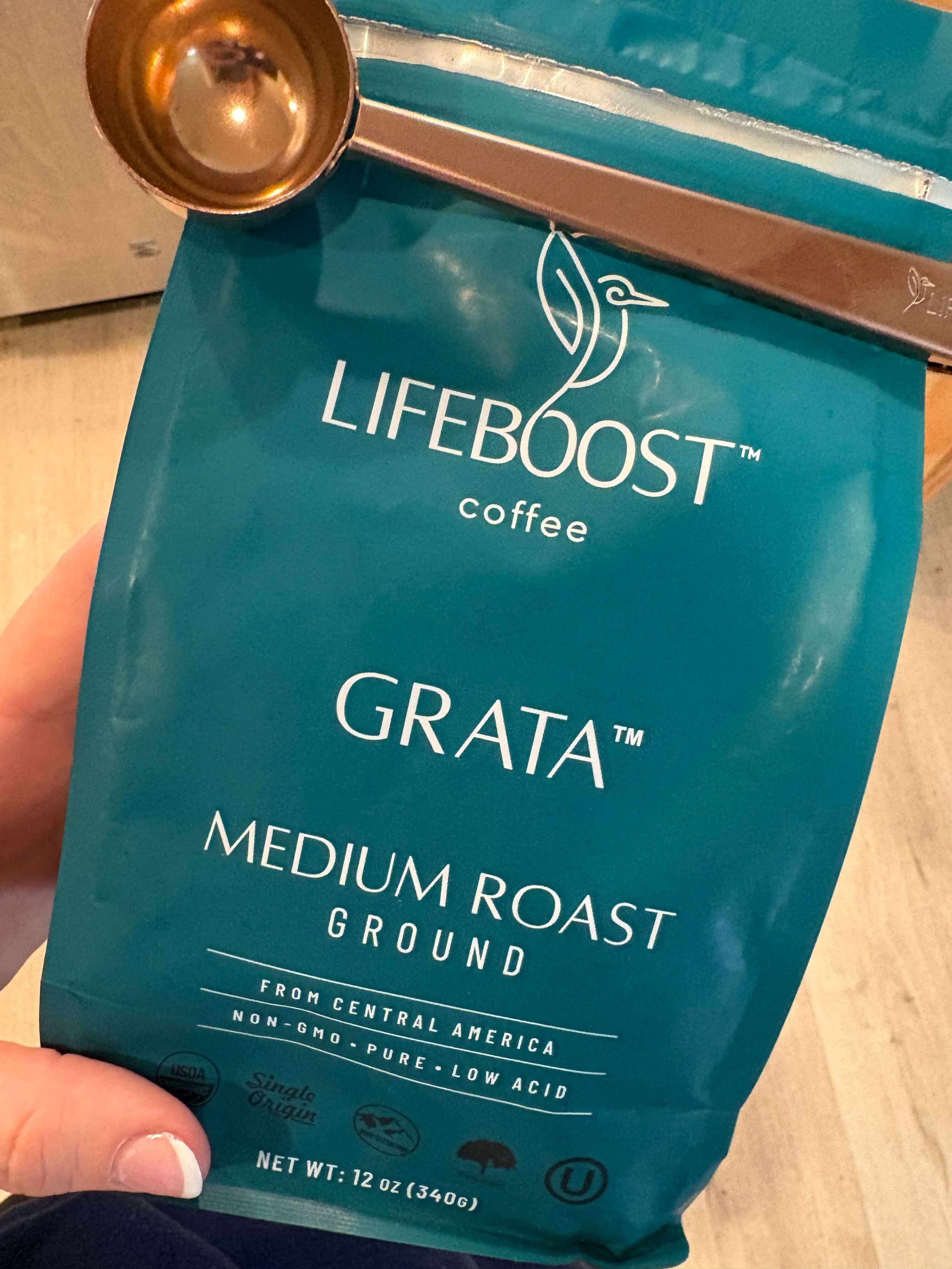
As a self-proclaimed coffee addict and wellness nerd, I love trying new coffee brands.
Lifeboost coffee caught my eye a while ago, but is it really worth the cost?
If you’ve searched for organic or “clean” coffee, or low acid coffee brands, you’ve probably come across Lifeboost. This gourmet coffee brand, founded by Dr. Charles Livingston, stands out for its USDA organic Arabica beans, low acidity, single-origin sourcing, and extensive 3rd party testing for things like pesticides, mycotoxins, and heavy metals.. it kinda seems like it has all the things.
As someone who drinks coffee regularly and cares about sourcing and ingredient quality, I wanted to know: Is Lifeboost's coffee actually different from regular coffee, or is it mostly good marketing? 👀 And more importantly, does the taste and quality actually warrant the price?
I tried Lifeboost coffee beans myself and looked into the company's sourcing, growing process, testing, acidity, and overall quality. In this review, I'll share my experience and explain whether I think Lifeboost goes the extra mile enough to justify its premium price.
If you've been searching through Lifeboost coffee reviews trying to decide whether it's worth buying, here's what I think you actually need to know.
Editorial note: This review is based on my personal experience with Lifeboost Coffee and research into the company's current sourcing and testing standards. My goal isn't to make you afraid of conventional or regular coffee, but to help you decide whether Lifeboost's additional quality standards are worth paying for.
Lifeboost Coffee Review: My Quick Take
Overall, I really liked Lifeboost coffee. I appreciate their testing transparency, commitment to quality, and coffee taste. It’s a brand I will continue to purchase, especially when there are sales and discounts available 👏
What I like
USDA certified organic coffee
Single-origin beans and high-quality Arabica beans
Third-party tested for mycotoxins, pesticides, heavy metals, and other substances
Naturally lower acidity than many conventional coffees
Grown at high elevation under mountain shade
Roasted to order for better freshness
Available as whole beans or ground coffee
Plenty of light, medium, dark, espresso, decaf, and flavored options
Emphasis on sustainable farming and fair wages for coffee farmers
What I don’t love
Significantly more expensive than grocery store coffee
Some of the health-focused marketing feels stronger than necessary
Low-acid coffee isn't inherently healthier for everyone
The huge number of products, bundles, and promotions can feel overwhelming
My Quick Take…
Lifeboost is a great option for a coffee drinker who prioritizes organic sourcing, toxin testing, lower acidity, freshness, and traceability.
You certainly don't need premium toxin-tested coffee to enjoy coffee safely. But Lifeboost’s coffee does go further than many conventional coffee roasters when it comes to sourcing and testing.
If those qualities matter to you, and the price fits your budget, I think Lifeboost is a genuinely high-quality coffee, rather than simply a well-marketed one. I’ve enjoyed drinking it and am excited to try other varieties and roast options.
My Experience With Lifeboost Coffee
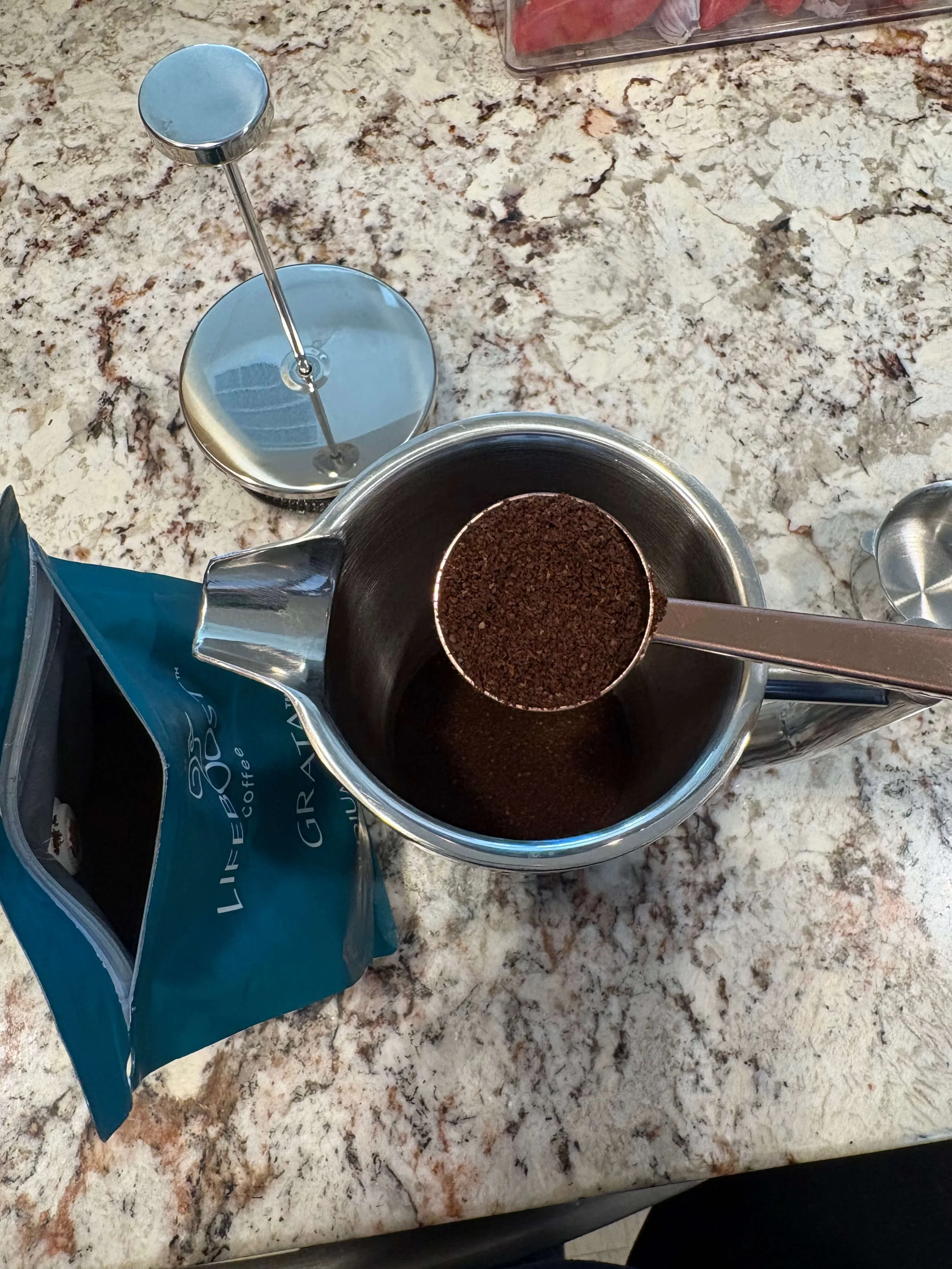
My first Lifeboost order included the Grata Medium Roast coffee grounds and the Optimist Light Roast coffee beans. We primarily use a french press when brewing coffee, so I wanted to try both bean varieties (sine we can always grind our own fresh, which is my personal preference).
Coffee preferences are subjective, but taste matters here. There's little value in spending more on premium coffee beans if they don't actually taste better… so, I was super curious to see how each of the varieties tasted.
What Does Lifeboost Coffee Taste Like?
Of the coffees I tried, Grata was my favorite.
It is a full-bodied, medium roast coffee that is one of the smoothest coffees i’ve tried. I love drinking it black, or with a little bit of cream and maple syrup.
If you’re curious what to try for your first order, here is a quick Lifeboost 101 on their most popular roasts…
Grata Medium Roast: A balanced medium roast with a creamy, nutty flavor profile. This is probably the best choice for someone trying Lifeboost for the first time.
Optimist Light Roast: A light roast that's brighter and fruitier. I recently learned that lighter roasts allow more of the bean's original characteristics to come through.
Embolden Dark Roast: A dark roast coffee with a heavier body and chocolate and caramel notes. It's a good choice if you prefer a bold flavor or add milk or cream
Espresso Organic Roast: A fuller, smokier roast designed to hold up well in espresso drinks like lattes and cappuccinos.
If you don't like particularly strong flavors, I'd start with the medium roast rather than one of the darker roasts.
Lifeboost also offers flavored coffees, including French Vanilla and Caramel Macchiato, although I have yet to try those personally!
What Makes Lifeboost Coffee Different?
Lifeboost's flagship coffee is made from single origin Arabica beans grown at high altitude in Nicaragua, Central America.
According to the company, its coffee is:
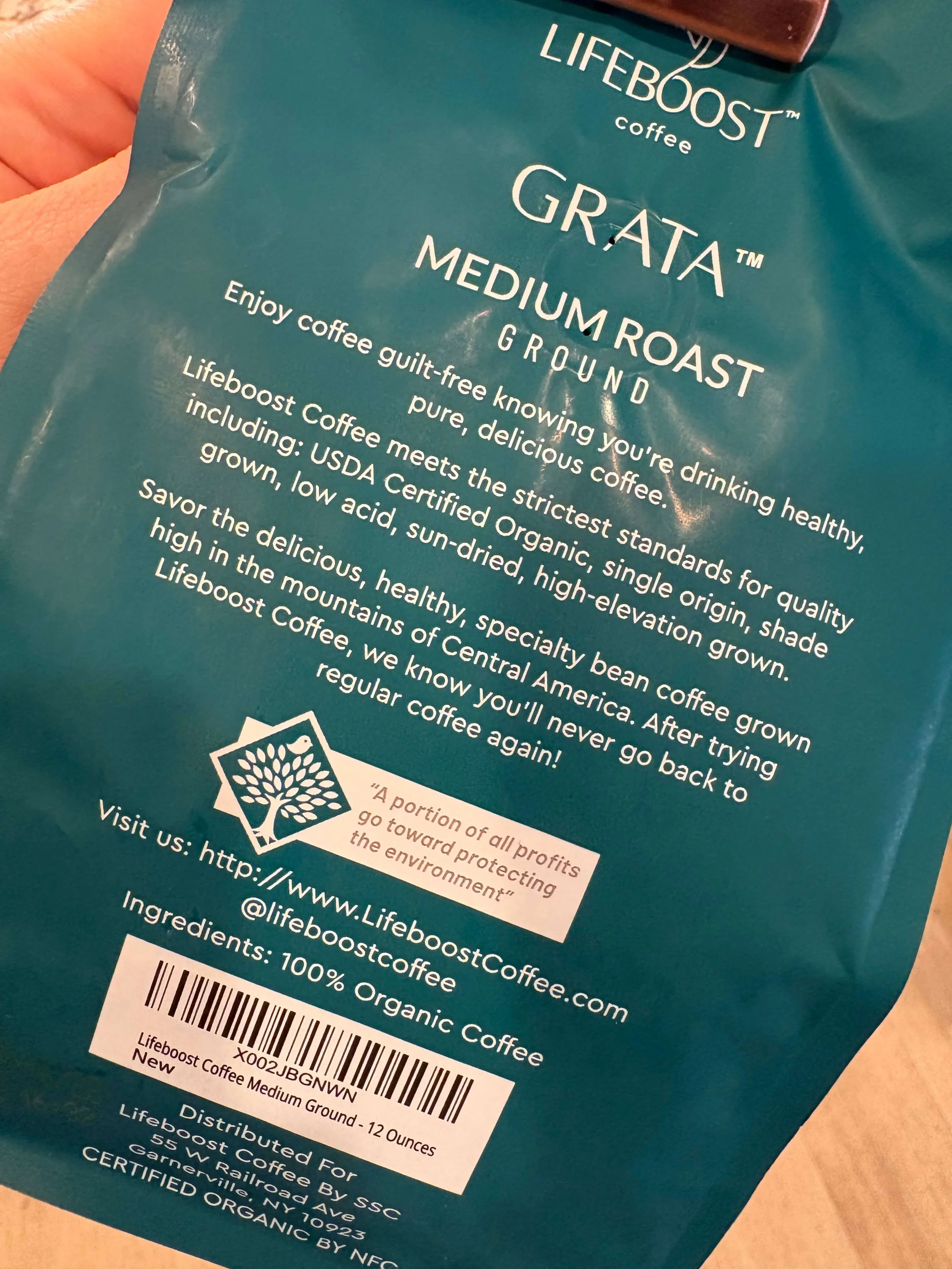
Grown above 5,700 feet under mountain shade
Hand-picked and small-batch roasted
Naturally sun-dried and washed with spring water
USDA certified organic
Independently tested
The coffee plants grow slowly under shaded mountain conditions before the coffee cherries are harvested and processed.
The company also uses its trademarked TrustPure process, which it says screens finished coffee for more than 450 substances, including pesticides, mycotoxins and heavy metals.
For me, this testing is one of the most compelling reasons to consider Lifeboost over other organic coffee options.
Rather than relying solely on terms like “clean” or “healthy,” there are tangible sourcing and testing practices behind the marketing.
Is Lifeboost Actually Low-Acid Coffee?
Yes. Lifeboost specifically markets and tests its coffee as low-acid coffee. The company says its coffee can be up to 27.7% less acidic than common store-bought coffees.
Several things can influence the acidity of your cup of coffee, including origin, roast level, growing conditions, and the brewing process. Lifeboost attributes its lower acidity in part to its growing environment and processing, similarly to Fabula coffee.
That may make it a particularly good option if you have a sensitive stomach, experience negative effects from more acidic coffee, or simply prefer a smoother cup.
But there's an important distinction: Low acidity doesn't automatically mean greater health benefits. If you already tolerate regular coffee well, switching to low-acid coffee may not provide a meaningful health advantage.
Brewing also matters. Cold brew often tastes smoother and less acidic than traditional hot coffee, so that's another option if acidity is your main concern.
Is Lifeboost Coffee Mold- and Toxin-Free?
I prefer describing Lifeboost as toxin-tested coffee rather than “toxin-free.” Coffee can be exposed to mold, mycotoxins, pesticides, heavy metals, and other contaminants during growing, processing, and storage. But that doesn't mean regular coffee is inherently unsafe in moderation. We are 80/20 advocates over here 🤷🏻♀️
Where Lifeboost stands out is verification. The company says its finished coffee undergoes third-party testing for mycotoxins, pesticides, heavy metals, and hundreds of other substances. I appreciate this approach because testing tells us much more than vague clean coffee claims.
For me, toxin-tested coffee is best viewed as an additional layer of quality control rather than something you need to avoid “dangerous coffee”.
Is Lifeboost Coffee Organic?
Lifeboost's flagship roasts are USDA-certified organic coffee.
Organic certification restricts the use of many synthetic pesticides and fertilizers during production. It doesn't automatically make organic coffee more nutritious or healthier than conventional coffee, but it does provide an established standard for how the coffee was grown.
Lifeboost adds third-party testing for substances including pesticides and heavy metals on top of that certification.
That's more meaningful to me than simply seeing words like “pure,” “healthy,” or “clean” on a bag of coffee, which are just marketing words and don’t really carry any regulated meaning.
Where Does Lifeboost Coffee Come From?
Lifeboost says its single-origin beans are grown on a small farm in Nicaragua at elevations above 5,700 feet. The beans grow under mountain shade, allowing the coffee cherries to mature more slowly before being hand-selected, spring water washed, and naturally sun-dried.
This slower growing environment can contribute to dense coffee cherries with natural sugars and a more complex flavor.
Lifeboost also describes its coffee as fair trade or “fairly traded” and says its sourcing model supports coffee farmers, fair wages, and sustainable farming practices.
There is an important distinction here, however: a company describing its coffee as fairly traded isn't necessarily the same as a specific independent Fair Trade certification. If Fair Trade certification is one of your biggest priorities, I'd check the certification on the individual product before ordering.
I do appreciate the additional transparency around the supply chain, though. When I'm comparing coffee, I want to know where the beans came from, how they were grown and processed, and what testing takes place before they reach me.

Whole Beans vs. Ground Lifeboost Coffee
If you own a burr grinder, I'd choose whole beans. Grinding new coffee beans immediately before brewing generally preserves more freshness and lets you adjust your grind to your brewing method.
If convenience matters more, however, there's nothing wrong with ordering ground coffee. I love ground coffee on mornings where I get up early, and my family is still sleeping (no loud coffee grinder waking anyone up 😅). Lifeboost's bigger freshness advantage is that its coffee is roasted to order rather than potentially sitting on a grocery store shelf for months.
You can use Lifeboost for all your standard coffee brewing methods: drip coffee, pour-over, French press (our personal go-to), espresso, cold brew.. you name it.
I am no expert, but I have learned a few tips along the way for optimizing your cup of coffee…
For a French press, use a relatively coarse grind to help prevent excessive coffee grounds from passing through the filter.
For cold brew, I'd personally start with the medium roast or one of the darker roasts for a richer, smooth flavor.
If you're experimenting with new coffee beans, try brewing them simply before adding flavored creamers or lots of sweetener. That gives you a much better sense of the coffee's natural flavor profile.
Does Lifeboost Coffee Have Less Caffeine?
Not necessarily. Low acid does not mean low caffeine.
Caffeine content depends on several factors, including the amount of coffee you use, bean variety, roast, grind size, and brewing method.
If you're sensitive to caffeine, choosing Lifeboost for its lower acidity won't necessarily solve that issue. Lifeboost does offer decaf coffee if reducing caffeine is your main goal.
Is Lifeboost Coffee Healthy?
Coffee itself can fit perfectly well within a healthy diet. From containing healthy polyphenols and antioxidants to creating a ritual within your morning routine, coffee is one of those areas where I would consider there being a “good, better, and best” option.
If you are looking for one of the “best” options, in terms of organic sourcing, toxin testing, high-quality beans, lower acidity, and traceability, then Lifeboost is a great choice.
Those features may make it a particularly appealing healthy coffee option for a dedicated coffee lover who drinks coffee daily and wants to be intentional about quality.
But buying premium coffee isn't required to be healthy.
Your overall diet, sleep, stress, movement, caffeine content, and what you're putting into your coffee matter far more than where your beans came from, in my opinion…
Is Lifeboost the “Healthiest Coffee Company”?
Lifeboost has marketed itself around the idea of being the healthiest coffee company, but I wouldn't personally crown any single brand the healthiest coffee.
There simply isn't enough evidence to say that one specific brand produces better health outcomes than every other high-quality coffee.
What I can say is that Lifeboost checks several boxes I personally look for: organic certification, quality Arabica beans, single-origin coffees, high-altitude growing, extensive testing, lower acidity, and a relatively transparent supply chain.
Those are tangible qualities, and they're ultimately more important to me than a “healthiest coffee” label.
Because you could buy the highest quality coffee available, fill your mug with artificially sweetened creamers and drink coffee late into the evening (what I would consider less healthy coffee habits). Or you could simply drink one cup of medium-quality coffee, but have a more holistic drinking practice around the beverage, and that would probably be healthier overall. Health and wellness has a lot of nuance to it, so labeling anything inherently the “healthiest” or “unhealthiest” isn’t always the most helpful.
Lifeboost Coffee Pros and Cons
That said, I do think there are a lot of pros that Lifeboost offers. And anytime I mention a positive, I also want to be real with you and share my not-so-favorite parts so that you can be an informed consumer!
Pros
Extensive testing: One of Lifeboost's biggest differentiators, including screening for pesticides, mycotoxins and heavy metals.
USDA organic: Provides an established standard for growing practices.
Single-origin beans: Offers greater traceability than many blends made with lower-quality beans from numerous sources.
Lower acidity: Potentially helpful for people who don't tolerate regular coffee well.
Fresh roasting: Coffee is roasted to order.
Lots of options: Light roast, medium roast, dark roast, espresso, decaf, and flavored coffee are available.
Cons
It's expensive: This is premium coffee that may be outside of some family’s budgets.
The marketing can be a lot: I don't think coffee needs to be framed as “toxic” for Lifeboost's quality standards to have value.
Not everyone needs low-acid coffee: If regular coffee doesn't bother you, lower acidity may not make much difference.
There are almost too many options: For your first order, I'd keep things simple and start with Grata Medium Roast. I felt a little overwhelmed when deciding between the bundles, subscriptions, discounts, and promos.
Is Lifeboost Coffee Worth the Price?
This is probably the biggest question.
Lifeboost is considerably more expensive than basic grocery-store coffee, with many 12 oz bags priced in the upper-$20 range before subscriptions or promotions.
So, is that a fair price?
It depends on what you're comparing it with. Compared with basic grocery-store coffee, Lifeboost is expensive.
Compared with premium coffee beans that are organic, single origin, freshly roasted and extensively tested, the price makes more sense.
You're paying for more than the beans themselves. You're also paying for the sourcing standards, small-batch roasting, testing, and additional oversight throughout the supply chain.
If you're a big fan of coffee and drink it every morning, those differences may be worth paying for.
If you're brewing an entire pot every day and keeping your grocery budget low is the priority, there are more economical ways to buy good-quality coffee.

Who Is Lifeboost Best For?
I think Lifeboost is a great option if you:
Want organic coffee
Specifically want low-acid coffee
Have a sensitive stomach
Value third-party contaminant testing
Prefer single-origin coffee
Care about sourcing and traceability
Want freshly roasted coffee delivered to your home
Are a frequent coffee drinker who cares about bean quality
It probably makes less sense if price is your biggest priority or you're already happy with an affordable coffee that tastes good and agrees with you.
Lifeboost vs. Regular Grocery Store Coffee
The biggest difference isn't necessarily taste. It's traceability and testing.
With mass-market coffee or lower-quality beans, you may know relatively little about the farm, growing process, storage, testing, or how long the coffee has been sitting on a shelf.
Lifeboost provides considerably more information about its beans and production process.
That doesn't automatically make conventional coffee bad or unsafe. It simply means you're paying for additional quality controls, testing, and transparency.
Lifeboost Coffee FAQ
Is Lifeboost coffee really low acid?
Yes. Lifeboost pH tests its coffee and markets it specifically as low acid. The company says its coffee can be up to 27.7% less acidic than common store-bought coffees.
Is Lifeboost Coffee organic?
Lifeboost's flagship roasts are USDA-certified organic. For flavored or specialty products, check the individual listing for specific certifications and ingredients.
Is Lifeboost Coffee mold-free?
I'd describe it as tested for mold and mycotoxins rather than universally “mold-free.” Lifeboost says its coffee undergoes third-party testing for mycotoxins, molds, pesticides, heavy metals, and other substances.
Where is Lifeboost coffee grown?
Lifeboost says its single-origin coffee is grown in Nicaragua in Central America, under mountain shade at elevations above 5,700 feet.
What is the best Lifeboost coffee to try first?
For most people, I'd start with the Grata Medium Roast. It's a balanced middle ground between a brighter light roast and bolder dark roast.
Can you make Lifeboost in a French press?
Yes. Lifeboost works well in a French press. If possible, buy whole bean coffee and grind it coarsely immediately before brewing.
Can you use Lifeboost for cold brew?
Yes. Lifeboost works well for cold brew. I'd start with a medium or dark roast if you prefer a smooth, richer flavor.
Does Lifeboost sell whole bean and ground coffee?
Yes. Many varieties are available as whole bean or ground coffee. I prefer whole beans when possible for maximum freshness.
Does Lifeboost offer free shipping?
Lifeboost currently advertises free shipping on qualifying orders. Because shipping promotions can change, check the current offer before placing your order.
Does Lifeboost have a money-back guarantee?
Lifeboost currently advertises a 30-day money-back guarantee. Check the current return policy or contact customer service for the terms that apply to your order.
Is Lifeboost Coffee worth it?
You certainly don't need to spend this much on coffee.
But if you're specifically looking for organic, single-origin, low-acid, toxin-tested coffee, Lifeboost combines several premium qualities in one product.
Final Verdict: Would I Buy Lifeboost Again?
Honestly, Lifeboost was a coffee we genuinely enjoyed.
I'm generally skeptical of brands that lean heavily on words like “clean” or “healthy,” because those terms can mean almost anything. What I appreciate about Lifeboost is that several of its claims are backed by tangible practices: organic certification, single-origin sourcing, high-altitude growing, third-party testing, lower acidity, and fresh roasting.
I don't think you need to fear conventional coffee, and switching to Lifeboost isn't going to transform your health. But if coffee is something you drink every day, I understand wanting to invest in a higher-quality version.
If you want smooth, organic, low-acid coffee with unusually extensive third-party testing, and you're comfortable paying premium-coffee prices, Lifeboost is a great option I would feel comfortable recommending.
Related Reads:
latest on the blog…




When a brand markets their coffee as the “healthiest coffee”, you know I’m going to review it for myself.