
How to Reduce Screen Time: 11 Realistic Ways to Spend Less Time on Your Phone

Have you been feeling the desire to cute back on your screen time?
Here are 12 easy ways to be more intentional about the time you spend on your phone 📱
It’s amazing how quickly a few minutes on your phone can turn into an hour.
You pick it up to respond to a text, notice an email, check something online, and suddenly you’re scrolling through content you never actually intended to consume.
Technology isn't inherently bad. Our phones allow us to stay connected, work from home, take photos of our kids, listen to podcasts, navigate new places, and access new information.
But I also think there’s something incredibly valuable about being able to put the phone down. It’s been over a year and a half since I deleted social media and it was one of the greatest decisions I made for my family.
Reducing screen time doesn’t have to mean deleting every app or throwing your smartphone in a drawer. Instead, it can simply mean becoming more intentional about when and why you use it.
If you've found yourself reaching for your phone constantly, or you're simply craving a little more space in your day, here are some realistic ways to reduce screen time.
Why Reduce Screen Time?
Depending on the study you look at, average screen time for adults ranges between 6-8 hours per day. For me, reducing screen time isn't necessarily about hitting a specific number of hours per day. It's about making sure my phone isn't stealing time from things I actually care about.
Excessive screen use can crowd out habits that support our overall well-being: movement, time outside, face-to-face connection, hobbies, adequate sleep, and simply having a few quiet moments without constant stimulation.
And sometimes the biggest benefit of using your phone less is realizing just how much time you actually have.
Here are a few simple ways to start.
1. Check Your Current Screen Time
Before changing anything, figure out where your time is actually going.
Most smartphones allow you to see your daily and weekly screen time as well as which apps you're spending the most time on.
You might think email is the problem only to discover you're spending 90 minutes a day on social media, or opening your browser dozens of times without realizing it.
Don't use your screen time report as a reason to feel guilty. Use it as information.
Ask yourself:
Which apps are taking up most of my time?
Which of those apps actually add value to my life?
When do I tend to reach for my phone the most? Is it when I’m bored? Avoiding something? Feeling insecure?
What would I rather be doing with some of that time?
For me, knowing what I would rather be doing than aimlessly scrolling was the biggest motivator.
2. Turn Off Unnecessary Notifications
Notifications are essentially tiny invitations to pick up your phone. And once the phone is in your hand, it's incredibly easy to move from checking one notification to opening three other apps.
Go through your notification settings and turn off anything that doesn't genuinely require your immediate attention.
You probably don't need to know the second a store starts a sale or there’s a random notification on an app.
Keep notifications for the things that actually matter, like calls and messages from people you care about, and eliminate as much of the background noise as possible.
3. Create Phone-Free Zones
One of the easiest ways to spend less time on your phone is to decide that certain places are simply phone-free.
For example:
The dinner table. The bedroom. The bathroom. The kids' playroom.
Choose one or two areas where your phone doesn't need to follow you. I especially love making meals phone-free. It's such a simple opportunity to be present with the people sitting right in front of you.
4. Stop Sleeping Next to Your Phone
If your phone is the last thing you look at before falling asleep and the first thing you reach for in the morning, consider moving it out of arm's reach.
We bought an inexpensive alarm clock to have on our bedside table and completely remove the need to use our phone as an alarm.
You can also charge your phone across the bedroom, where you won’t be tempted to lie in bed and scroll to start your morning. Creating a little physical distance makes mindless checking much less convenient.
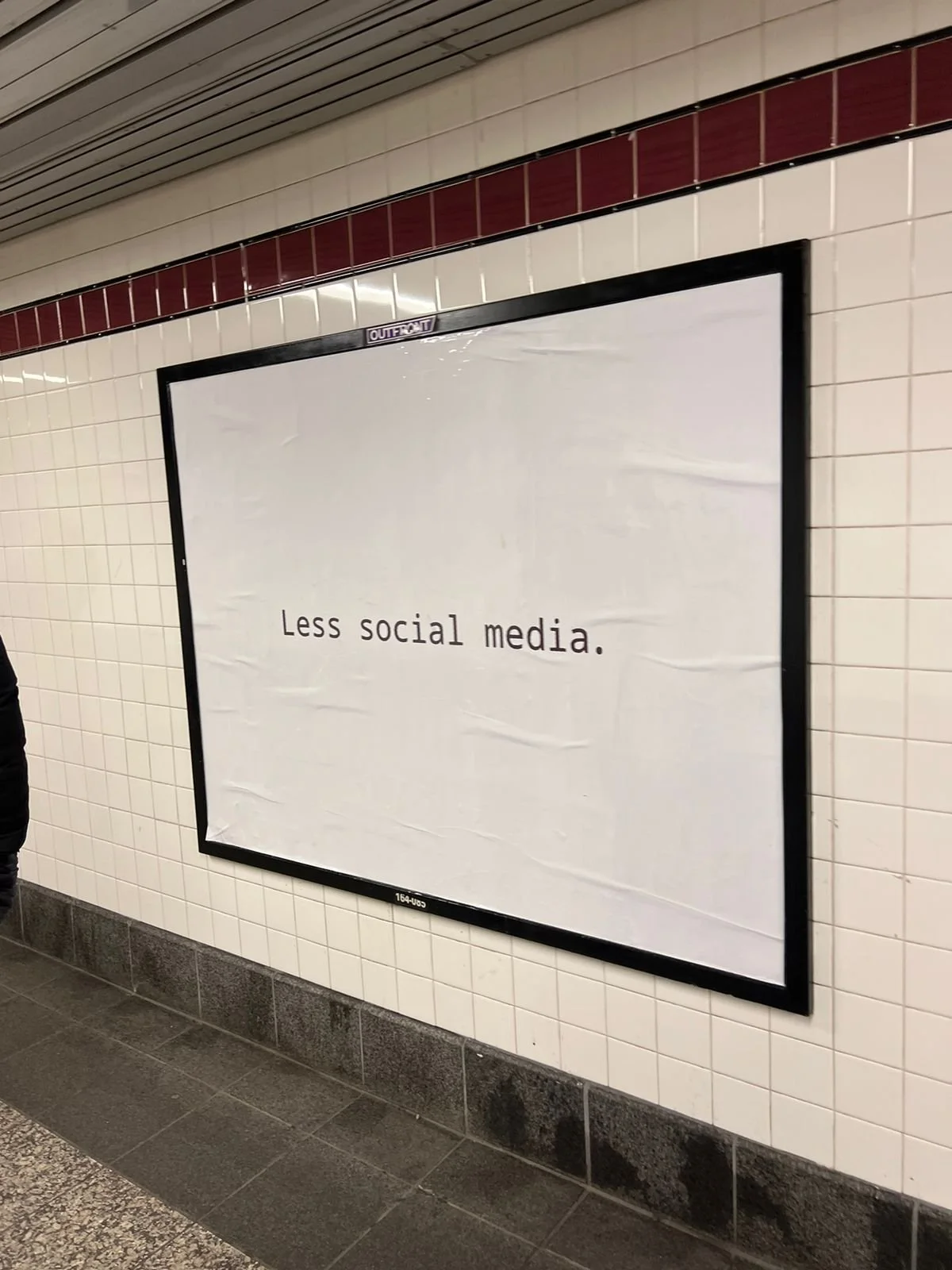
5. Give Yourself a Screen-Free Morning
You don't have to avoid your phone for three hours every morning. Even 20–30 minutes can make a difference.
Instead of immediately checking email, news, or social media, give yourself a small window to wake up before allowing the rest of the world into your brain.
Make coffee. Eat breakfast. Read. Pray. Journal. Go outside. Get dressed.
Whatever your morning looks like, try experiencing a small piece of it without a screen.
Personally, I try to avoid my phone until after breakfast. This gives me the opportunity to start my morning routine a lot more present.
6. Give Your Phone a Home
This one sounds almost too simple, but it works.
Don't carry your phone around the house with you. Leave it on the kitchen counter while you play with your kids. Put it in a drawer while you're working. Leave it inside while you're gardening or sitting outside.
We often reach for our phones simply because they're there. Adding even a tiny bit of friction can interrupt that automatic habit.
I used to always use the excuse of “needing my phone in case someone needs to reach me”. But no. Once I realized how backwards that thinking was, I got much more comfortable with leaving my phone on the kitchen counter. If there is a true emergency, the people that need to get ahold of me will make it happen. You do not owe anyone your availability.
7. Delete Your Biggest Time-Wasting Apps
You don't necessarily have to delete social media entirely to reduce screen time.
But if there's an app you repeatedly open without thinking, consider removing it from your phone. You can always access certain platforms from a computer or web browser when you intentionally want to use them.
When I first deleted social media apps, I replaced scrolling socials with Pinterest. So, I removed Pinterest from my phone for a better part of the year. If I wanted ot look something up, I had to intentionally get my laptop.
Making an app slightly less convenient can dramatically reduce how often you check it.
Related Reads:
8. Replace Scrolling With Something Else
It's difficult to stop a habit without replacing it.
If scrolling is what you do whenever you're bored, decide ahead of time what you could do instead. Keep a book on the coffee table. Work on a puzzle. Take a short walk. Stretch. Make tea. Listen to music. Pick up a hobby. Sit outside for ten minutes.
And this is a good time to encourage you to allow yourself to be bored. Oftentimes, I find myself forgetting the last time I was truly bored.. all too often our schedules are completely booked.
We don't have to fill every quiet moment with information or entertainment. Sometimes letting our minds wander is exactly what we need.
9. Set App Limits
If there are apps you enjoy but tend to overuse, use your phone's built-in app limits.
You might give yourself 20 or 30 minutes per day for certain apps instead of allowing unlimited access.
Yes, you can technically override the limit.
But that little reminder forces you to consciously decide whether you actually want to keep scrolling rather than doing it automatically.
10. Try a Weekly Low-Screen Day
You don't necessarily need a dramatic week-long digital detox. Instead, choose one day, or even one afternoon, each week when you intentionally use technology less.
Maybe Sunday becomes your slower day.
Keep your phone available for calls and necessary communication, but skip unnecessary browsing, social media, email, and other digital noise. Fill that time with things you genuinely enjoy: family time, church, cooking, reading, hiking, gardening, hosting friends, or simply resting.
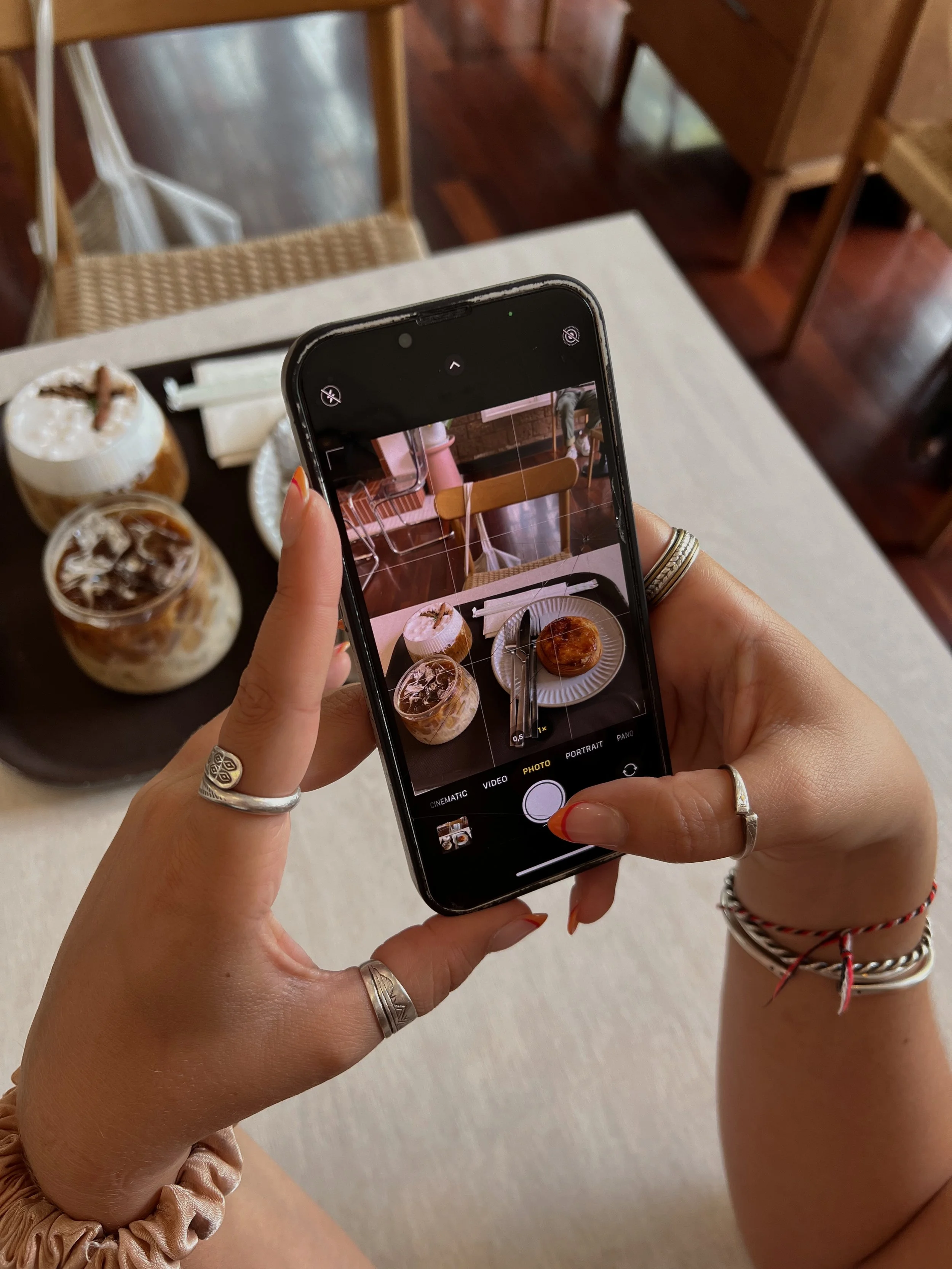
11. Decide What You Want More Of
This might be the most important step.
Instead of only asking: "How can I spend less time on my phone?"
Ask: "What do I want to have more time for?"
Maybe you want to read 20 books this year.
Maybe you want to spend more uninterrupted time with your kids.
Maybe you want to exercise consistently, start a garden, cook more meals at home, strengthen your marriage, spend more time outside, or finally pick up a hobby you've been thinking about for years.
Reducing screen time becomes much easier when you're not simply removing something. You're making room for something better.
How to Reduce Screen Time Without Getting Rid of Your Smartphone
You don't need to completely disconnect from technology to develop a healthier relationship with it.
Start small.
Turn off a few notifications. Leave your phone in another room during dinner. Read for 15 minutes instead of scrolling before bed. Wait until after breakfast to check your phone.
Then pay attention to how you feel.
The goal isn't to create another wellness rule you have to follow perfectly. It's to become a little more intentional about where your attention goes.
Because ultimately, reducing screen time isn't really about your phone. It's about reclaiming your time and deciding what deserves your attention.
FAQ: Reducing Screen Time
What is the easiest way to reduce screen time?
Start by identifying the apps that account for most of your screen time and reducing unnecessary notifications. Creating physical distance from your phone, such as leaving it in another room, can also make a surprisingly big difference.
How can I reduce screen time when I need my phone for work?
Separate intentional screen time from recreational screen time. Using your phone for work, navigation, communication, or another specific purpose is different from automatically scrolling whenever you have a free moment. Consider creating dedicated times for email and work-related apps rather than checking them continuously.
What can I do instead of scrolling on my phone?
Try reading, walking, cooking, gardening, journaling, exercising, doing a puzzle, listening to music, playing with your kids, calling a friend, or spending time outside. Having easy alternatives available can make breaking the scrolling habit much easier.
How do I stop checking my phone so much?
Turn off nonessential notifications, keep your phone out of reach, remove distracting apps from your home screen, and create specific phone-free periods throughout your day. The goal is to add a little friction between the impulse to check your phone and actually doing it.
Should I do a digital detox?
You can, but you don't necessarily need one. Sustainable boundaries around technology may be more realistic overall. Start with smaller habits you can maintain long term.
How can I reduce screen time before bed?
Create a cutoff time for unnecessary phone use and charge your phone somewhere you can't easily reach it from bed. Replace scrolling with a relaxing nighttime habit like reading, stretching, journaling, or preparing for the next day.
Technology can be incredibly useful, and reducing screen time doesn't require treating your phone like the enemy.
The goal is simply to make sure you're deciding how you spend your time—not your phone.
Start with one change this week. Create one phone-free space, turn off unnecessary notifications, or leave your phone behind the next time you go outside. Small boundaries can create a surprising amount of space for the things you actually want more of.
latest on the blog…















11 simple strategies to cutting back your screen time (and why it may be a good idea)