

Curious about all of the talk about “low-acid” coffee?
Here are a few of the favorites I’ve tried, and how I felt after drinking them!
I love coffee. It's one of those little things I look forward to every morning, and I'm certainly not interested in giving it up anytime soon!
But as I've become more intentional about the products I use in my home, I've also started paying closer attention to what's in my coffee cup. From how coffee beans are grown to how they're roasted and tested, there's quite a bit more to coffee than I originally realized.
One thing I've become particularly interested in is low-acid coffee.
If you've ever experienced acid reflux, heartburn, or an upset stomach after your morning cup of coffee, you might be surprised to learn that not all coffees have the same acidity levels.
I've personally tried several low-acid coffee brands, including Purity Coffee, Lifeboost, and Fabula, and wanted to share what makes them different, along with a few other options worth considering.
What Is Low-Acid Coffee?
Coffee is naturally acidic, but the amount of acidity varies depending on the type of beans, growing conditions, roast level, and brewing method.
Low-acid coffee is simply coffee that's been grown, processed, or roasted to produce a less acidic final cup compared to many traditional coffees. You may notice a difference in flavor, too. Coffees with low acidity often taste smoother and less bright or sharp.
There are a few factors that influence coffee acidity:
Roast level: Lighter roasts generally retain more of certain organic acids, while darker roasts tend to have lower concentrations of compounds like chlorogenic acid.
Growing conditions: Coffee grown at higher altitudes often develops bright, complex flavors, although growing elevation alone doesn't determine acidity. Some naturally lower-acid beans come from lower altitudes.
Brewing method: Cold brew is often less acidic than coffee brewed with hot water, although results depend on the beans and brewing conditions.
Processing: Some brands use a unique roasting process or carefully select naturally lower-acid beans.
It's also worth mentioning that coffee's perceived acidity and its actual acid content aren't exactly the same thing. A coffee that tastes smooth isn't necessarily significantly less acidic.
Is Low-Acid Coffee Better for Acid Reflux?
If coffee tends to bother your stomach, switching to a low-acid option may be worth trying. According to the Cleveland Clinic, coffee can contribute to heartburn because of its natural acids, caffeine content, and ability to stimulate stomach acid production.
Caffeine can also relax the lower esophageal sphincter, allowing stomach acid to travel back into the esophagus.
This is an important distinction because even the best low acid coffee isn't necessarily going to eliminate reflux symptoms. If caffeine itself is your primary trigger, switching to decaf coffee may be more beneficial than simply choosing a lower-acid roast.
Still, for coffee drinkers who experience occasional discomfort, experimenting with a gentler cup is a reasonable place to start.
The Best Low-Acid Coffee Brands I've Found
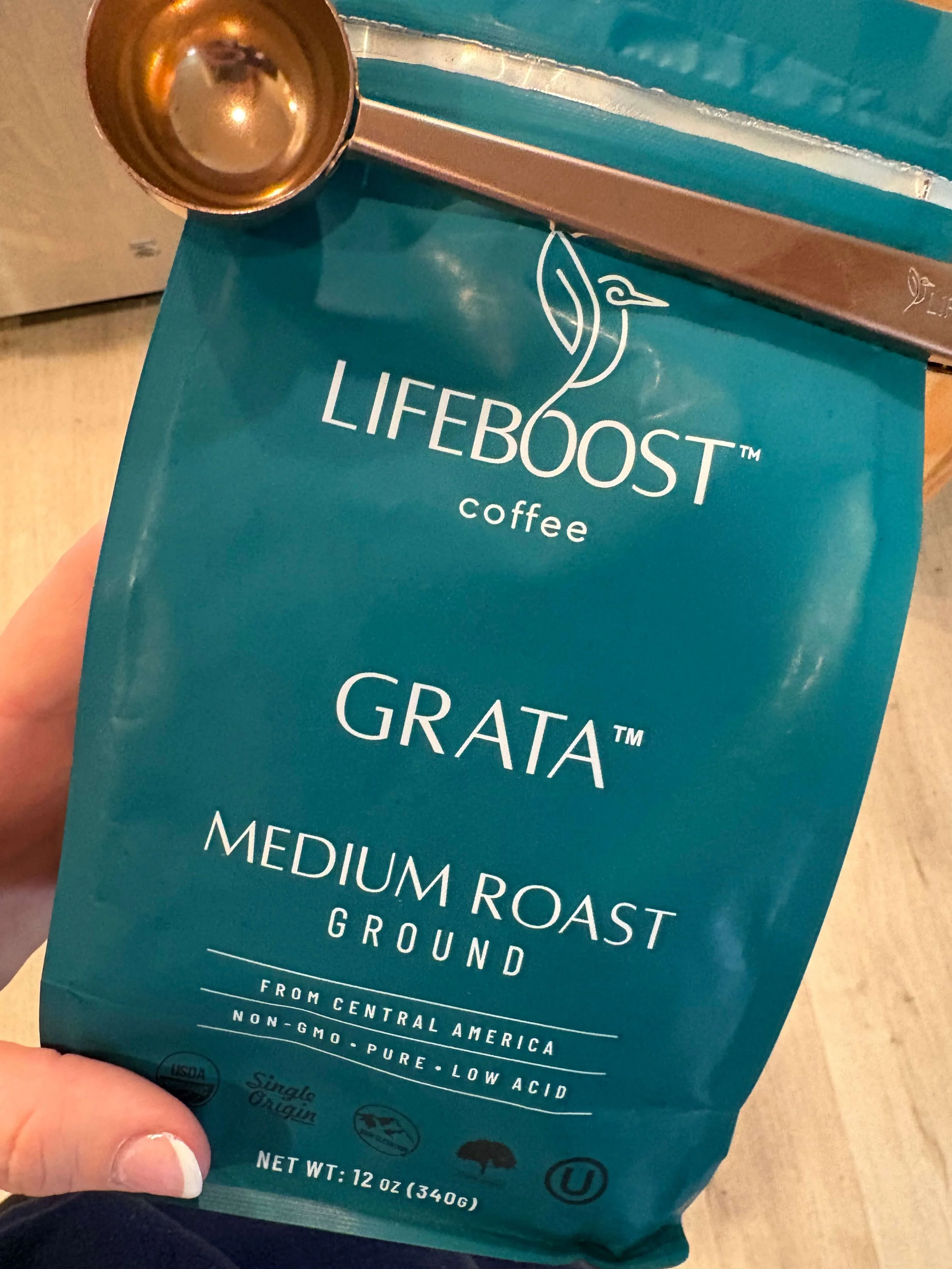
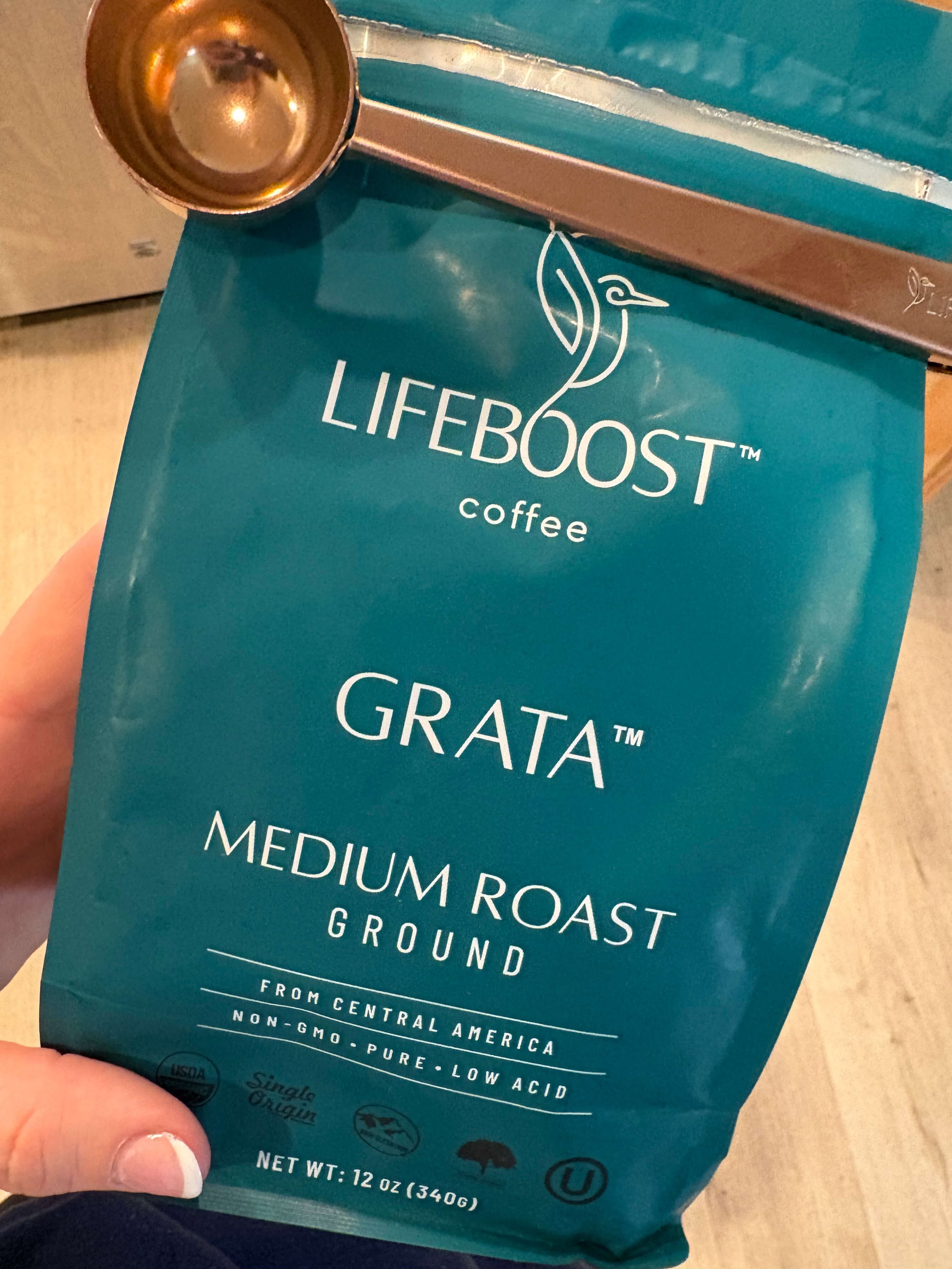
1. Lifeboost Coffee — Best for Organic, Low-Acid Coffee with Extensive Third-Party Testing
Lifeboost is a premium coffee brand that is best for coffee drinkers who prioritize organic sourcing, third-party testing, and a variety of roasts.
Lifeboost was one of the first brands that caught my attention when I started researching cleaner coffee options. What initially interested me wasn't just the low acidity, but the attention the company puts into sourcing and testing its beans.
Lifeboost uses USDA-certified organic Arabica beans grown in the mountains of Central America. Its flagship coffees are single-origin, shade-grown, and cultivated at elevations exceeding 5,700 feet.
The company also conducts some of the most extensive third-party testing for contaminants, including mold, mycotoxins, pesticides, and heavy metals. As someone who tries to reduce unnecessary exposures where practical, I appreciate that transparency.
Lifeboost offers several roast options, including light, medium, and dark roasts, and French roast styles. Its medium roast coffee has a smooth, balanced flavor with nutty and chocolate-like notes.
What I like about Lifeboost:
USDA-certified organic coffee
Third-party testing for contaminants
Naturally low-acid beans
Single-origin, shade-grown Arabica
Several roast levels and decaf options
Fairly traded sourcing practices
What to consider: Lifeboost is more expensive than many grocery-store coffee brands, so it may not fit everyone's everyday coffee budget.
I think it's a great choice for someone who wants to be particularly intentional about sourcing and testing without sacrificing a good cup of coffee.
Read my full Lifeboost Coffee review here.
2. Fabula Coffee — Best Overall Low-Acid Coffee
Fabula is another premium brand that’s best for coffee drinkers looking for organic, freshly roasted coffee with low acidity.
If you've read my blog for a while, you may already know that I'm a fan of Fabula Coffee. Fabula specializes in organic, naturally low-acid coffee sourced from high-altitude, shade-grown farms. The company uses specialty-grade Arabica beans and offers light, medium, dark, and decaf varieties.
One thing that stands out to me is its commitment to freshness. Fabula roasts its coffee in small batches and emphasizes shipping freshly roasted beans rather than keeping large quantities sitting in warehouses.
Like Lifeboost, Fabula also prioritizes third-party testing. The company reports independently testing its coffee for hundreds of potential contaminants, including mold toxins, pesticides, and heavy metals.
The result is a coffee designed to offer a smooth flavor without the sharp acidity some people associate with regular coffee. Fabula's medium roast is an excellent starting point if you're accustomed to a traditional morning brew. If you prefer black coffee, you may particularly appreciate its smoothness. Overall, my husband and I have both drunk Fabula for the last couple of years anytime we make a French press at home.
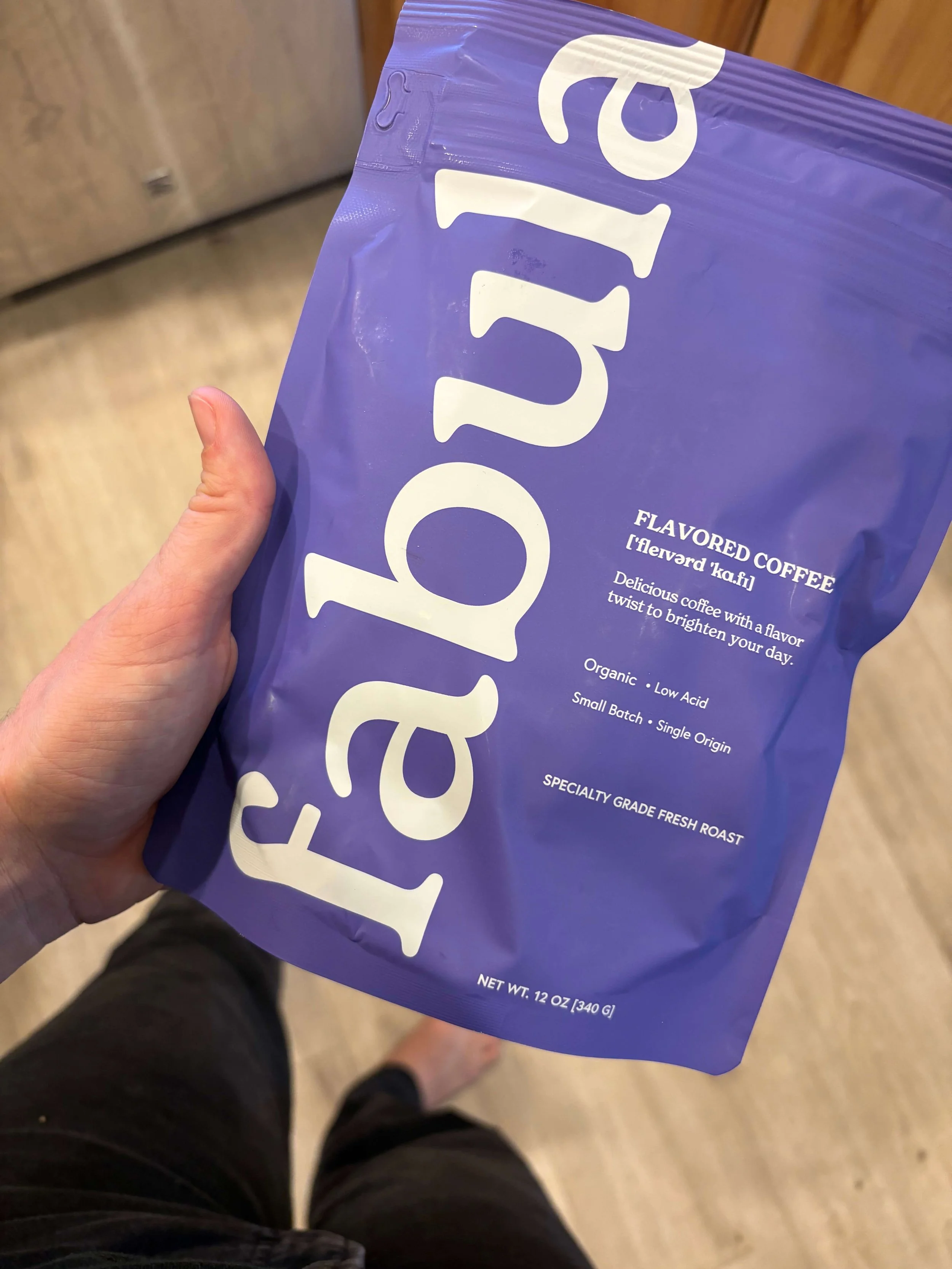
What I like about Fabula:
USDA-certified organic
Naturally low-acid Arabica beans
Third-party contaminant testing
Fresh roasting
Multiple roast levels and decaf options
Subscription options for regular coffee drinkers
What to consider: Like Lifeboost, Fabula is a premium coffee brand. The cost may be higher than conventional options, particularly without a subscription.
You can also save 20% on Fabula orders with code wellness20 at checkout.
Read my full Fabula Coffee review here.
3. Volcanica Coffee — Best for a Traditional Medium Roast
Another brand worth considering is Volcanica Coffee.
Unlike Lifeboost and Fabula, which emphasize high-altitude growing conditions, Volcanica's low-acid blend incorporates beans from regions such as Brazil and Sumatra, including beans grown at lower altitudes.
The company uses a specialized roasting approach to reduce acidic compounds while maintaining flavor. Its low-acid blend is a medium roast with notes of chocolate, nuts, and citrus. Volcanica reports a pH of 5.3 for this coffee.
It's an interesting option for anyone who prefers a classic, balanced coffee flavor. Also, compared to Lifeboost, Purity, and Fabula, your price per bag is a bit more affordable with Volcanica.
3. Purity Coffee — Best for Antioxidants and Low Acidity
Purity Coffee is another premium brand for coffee drinkers who prioritize organic sourcing, antioxidant content, and a gentler cup for sensitive stomachs.
Another low-acid coffee brand worth considering is Purity Coffee. What makes Purity unique is its focus on preserving the beneficial compounds naturally found in coffee while offering options for people who are sensitive to acidity.
Purity uses USDA-certified organic Arabica coffee beans and prioritizes regenerative farming practices. The company also conducts third-party testing for contaminants, including mold, mycotoxins, pesticides, and heavy metals.
One thing I appreciate is that Purity measures beneficial compounds like chlorogenic acid, a naturally occurring antioxidant in coffee. The brand offers several roast options, including its EASE dark roast, specifically developed for coffee drinkers looking for a low-acid option.
Purity also offers medium and lighter roasts that prioritize antioxidant content, along with decaf coffee for those looking to reduce their caffeine intake.
What I like about Purity:
USDA-certified organic coffee
Third-party testing for contaminants
Focus on antioxidant content
Regenerative farming practices
Dedicated low-acid dark roast
Multiple roast levels and decaf options
What to consider: Purity is a premium-priced coffee brand, and its lower-acid EASE roast contains less chlorogenic acid than its lighter roasts.
While I have yet to personally try Purity, I appreciate its emphasis on sourcing, testing, and transparency. If you have a sensitive stomach but still want to enjoy a quality cup of coffee, Purity's EASE roast could be a great choice. I look forward to trying it out soon, and I’ll update this post accordingly!
Lifeboost vs. Fabula: Which Is Better?
Of the brands in this post, I am most familiar with Lifeboost and Fabula. And honestly, I think they have more similarities than differences 🤷🏻♀️
Both prioritize organic coffee, low acidity, specialty-grade beans, and third-party contaminant testing.
Lifeboost stands out for its single-origin sourcing and extensive selection of roasts and specialty coffees. They also have more comprehensive testing against contaminants.
Fabula emphasizes freshness, specialty-grade sourcing, and a straightforward selection of everyday coffees.
For me, Lifeboost is the winner due to its more comprehensive testing, but that ultimately comes down to personal preference. If you're deciding between the two, I'd encourage you to read my individual reviews for a closer look at each brand.
How to Make Your Coffee Less Acidic
Also, I think it is worth mentioning-You don't necessarily have to purchase specialty coffee to experiment with reducing acidity.
There are a few simple changes worth trying.
Experiment with darker roasts. A dark roast blend generally contains less chlorogenic acid than a lighter roast. Keep in mind that roasting at high temperatures also changes other compounds, so darker doesn't automatically mean easier digestion for everyone.
Try cold brew. Because cold brew uses cooler water and a longer extraction time, it may produce a smoother, less acidic beverage than hot-brewed coffee.
Consider your brewing method. Whether you prefer drip coffee or a French press, brewing time, water temperature, and grind size influence the final cup. A paper-filtered brewing method may also help some people tolerate coffee better.
Avoid drinking coffee on an empty stomach. Having breakfast before coffee may reduce irritation for some people.
Pay attention to what you add. A little milk or a sprinkle of brown sugar might improve the flavor, but additions don't necessarily make coffee less acidic. High-fat creamers can actually worsen reflux symptoms for certain people.
Related Reads:
Frequently Asked Questions About Low-Acid Coffee
What is the best low-acid coffee for a sensitive stomach?
My top recommendations are Fabula and Lifeboost because both prioritize naturally low-acid beans, organic sourcing, and third-party testing.
However, the best option for a sensitive stomach depends on what's causing your discomfort. Some people tolerate decaf or cold brew better than traditional hot coffee.
Is dark roast coffee less acidic than medium roast?
Generally, darker roasting reduces certain acids found in coffee beans.
However, the final acidity depends on more than roast level alone. Bean origin, processing, and brewing methods also matter.
Is low-acid coffee better for digestion?
Some people find lower-acid coffee easier to tolerate, but there isn't strong evidence that it universally promotes easier digestion.
Coffee can affect stomach acid production and digestive activity regardless of its pH.
Can you drink low-acid coffee with acid reflux?
Possibly, depending on your individual triggers.
Low-acid coffee may reduce discomfort for some people, but caffeine can still aggravate reflux symptoms. If you have frequent heartburn or diagnosed GERD, discuss your symptoms with your healthcare provider.
Is low-acid coffee worth the money?
I think it can be, particularly if you're already looking for organic, specialty-grade coffee with additional testing. That said, I wouldn't spend significantly more solely because a brand promises better digestive health. Individual tolerance matters, and low-acid coffee isn't a guaranteed solution.
Check out different brewing methods, what you’re adding into your coffee, or even a high-quality coffee alternative.
My Final Thoughts on Low-Acid Coffee
I don't believe every coffee drinker needs to switch to low-acid coffee. If you enjoy your current coffee and it doesn't bother you, there's no reason to assume you need something different.
But if you've noticed that your morning cup leaves you feeling uncomfortable, exploring different beans, roasts, and brewing methods might be worthwhile.
For me, the appeal of brands like Lifeboost and Fabula goes beyond acidity. I appreciate their emphasis on organic sourcing, testing, and producing a quality cup of coffee.
Have you tried low-acid coffee? What are your favorite brands or roasts? I’d love to hear!
Kaelyn
Latest on the blog…



Looking for coffee that's easier on your stomach? Discover my fave low-acid coffee brands, including my reviews of Lifeboost and Fabula.