
The Health Benefits of Wildflower Honey (and Why It Deserves a Spot in Your Kitchen)
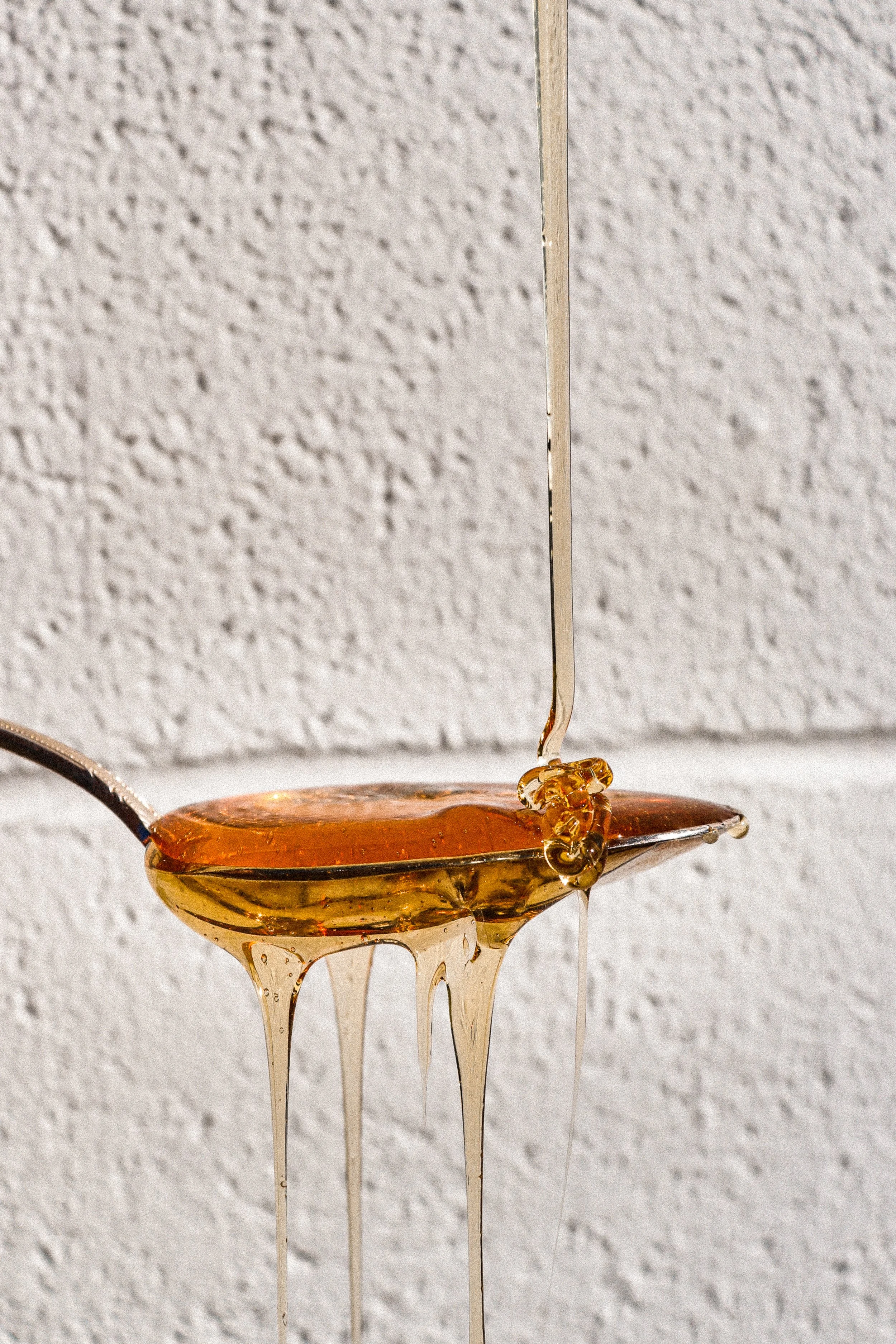
If I had to choose between wellness trends or ancestral wisdom, I would choose traditional health support every time!
Honey is one of those seemingly simple things that can really support your holistic health and nutrition. But with the countless labels and different types, it can all be a little confusing! Here is a simple breakdown of how wildflower honey stacks up against the rest and how it can support your wellness.
One of the things we always keep stocked in our home is honey. We reach for it nearly every single day-- whether it's in tea, cooking, to support illness, or to use in baking as a natural sweetener, it's one of my favorite natural products to support health. We are coming up on farmer's market season, and if there is one thing I am very excited for -- it's honey—local wildflower honey in particular.
I've always been a big fan of the natural health benefits of honey in general, but I got curious about what sets wildflower honey, in particular, apart. This post shares my research on honey and its health benefits, to help you make an empowered decision when picking from the countless honey labels and varieties.
What Is Wildflower Honey?
Wildflower honey (also called multifloral honey or polyfloral honey) is made from the nectar of wildflowers, meaning bees collect from a variety of flowers rather than a single plant.
Unlike monofloral honey (like clover honey or honey from orange blossoms), wildflower honey reflects:
The types of flowers available in a region
The season it was produced
The work of local beekeepers
This gives it its signature unique taste, rich flavor, and slightly unpredictable flavor. I think this is so so fascinating! A honey that you get in one region can be completely different and have different benefits from another region's honey.
How do I know what labels to look for when shopping for wildflower honey? You’ll often see labels like:
Local wildflower honey
Local raw wildflower honey
Unfiltered honey or unprocessed honey
These are typically the highest quality options, especially when sourced with minimal processing.
Wildflower Honey vs Other Types of Honey
There are SO many varieties of honey, and each has its own distinct characteristics. But what sets wildflower honey apart from others? And is one type of honey superior to another?
Clover honey → Mild, light, and consistent
Manuka honey → Known for strong antibacterial properties
Buckwheat honey → A darker honey with a bold, molasses-like flavor
Wildflower honey → A complex taste from multiple floral sources
Because wildflower honey comes from a mix of different flowers, it often contains a broader range of natural components, which may contribute to its numerous health benefits.
1. Rich in Antioxidants (Helps Combat Oxidative Stress)
One of the biggest health benefits of honey—especially raw, unfiltered honey—is its antioxidant content.
Wildflower honey contains phenolic acids and other antioxidant compounds that help neutralize free radicals. This helps to reduce oxidative stress and protect against cell damage. This may support long-term health, including lowering risk factors associated with heart disease and other chronic illnesses.
Darker varieties of wildflower honey tend to have even higher antioxidant levels.
2. Supports the Immune System
Wildflower honey has been used in traditional and alternativemedicine for centuries as a natural remedy to support immune health.
It contains:
Trace vitamin C
Amino acids
Natural enzymes
Small amounts of bee pollen and even compounds related to bee propolis
These contribute to:
Better immune support
Enhanced overall nutritional value
Especially when you choose local honey, you may also be exposed to small amounts of local pollen, which some people find helpful for seasonal allergies. Personally, this is a big help for me!
3. Soothes Sore Throats and Coughs
This is one of the most well-known uses of honey—and for good reason.
Wildflower honey has:
Antimicrobial properties
Antibacterial properties
Natural production of hydrogen peroxide
This makes it a simple, effective home remedy for sore throats, coughs, and minor upper respiratory irritation. We love using a spoonful either on its own or mixed into warm water whenever we have symptoms.
4. Natural Anti-Inflammatory Benefits
Chronic inflammation is at the root of many modern health concerns. Wildflower honey contains compounds with anti-inflammatory properties, which may help:
Reduce chronic inflammation
Support recovery from minor illness or irritation
Soothe internal and external inflammation
This is one of the lesser-known but important potential health benefits of choosing natural honey over more processed options.
5. Supports Gut Health
Because raw honey is minimally processed, it retains beneficial natural enzymes that can support digestion.
It may help:
Promote balance in the gut microbiome
Support gut health
Act as a gentle prebiotic
Compared to artificial sweeteners or regular sugar, honey is a much more supportive option for your digestive system.
6. A Better Alternative to Refined Sugar
Let’s be clear—honey is still a source of natural sugars and should be used mindfully. However, compared to white sugar or highly processed artificial sweeteners, wildflower honey offers trace nutrients and antioxidants.
Some research suggests it may have a more favorable effect on:
Blood sugar levels ( you can read more about natural strategies for balancing your blood sugar in this post)
Triglyceride levels
It’s not a free pass—but it is a more nourishing natural sweetener.
7. Supports Skin and Wound Healing
Thanks to its antibacterial and antimicrobial properties, honey has long been used for:
Wound healing
Minor skin irritations
Hydrating dry skin (as a natural humectant)
Its ability to draw moisture into the skin makes it a simple addition to DIY skincare routines and facial masks.
8. A Nutrient-Dense, Flavorful Addition to Your Diet
If you're new around here, I am a big fan of nutrient-dense and ancestral eating. This just means that I try to prioritize foods that are as close to the natural source as possible, and have as many nutrients as possible. Honey is a great way to add sweetness to your diet, while also benefiting from some of its bioactive compounds.
We also love other bee products, like bee pollen and propolis.
How to Choose the Best Honey
Not all honey is created equal. When shopping, I look for:
Raw honey - honey in its natural state, taken directly from the beehive without undergoing pasteurization (high-heat treatment) or fine filtration.
Unfiltered honey - it is typically only strained to remove large debris, allowing it to retain beneficial pollen, enzymes, and antioxidants.
Unprocessed honey - this is an interchangeable term with "raw honey", it just means it is straight from the hive with minimal else done to it.
Sourced from local beekeepers when possible
I always try to avoid overly processed or "regular honey," which may lose many of its natural properties during heating and filtration.
Final Thoughts: Is Wildflower Honey Worth It?
I think any well-sourced honey is a valuable addition to your pantry! If you have wildflower honey available, awesome. But I do not think it is the only kind of honey that is beneficial. Honestly, I would make the decision based on what is available to you locally, and ultimately, your personal taste preferences.
While it’s not a cure-all for any medical condition, it can absolutely be a perfect choice as part of a balanced, whole-food approach to wellness.
latest on the blog








11 simple strategies to cutting back your screen time (and why it may be a good idea)