
A Beginner's Guide to Barefoot Shoes (Pros + Cons Included)
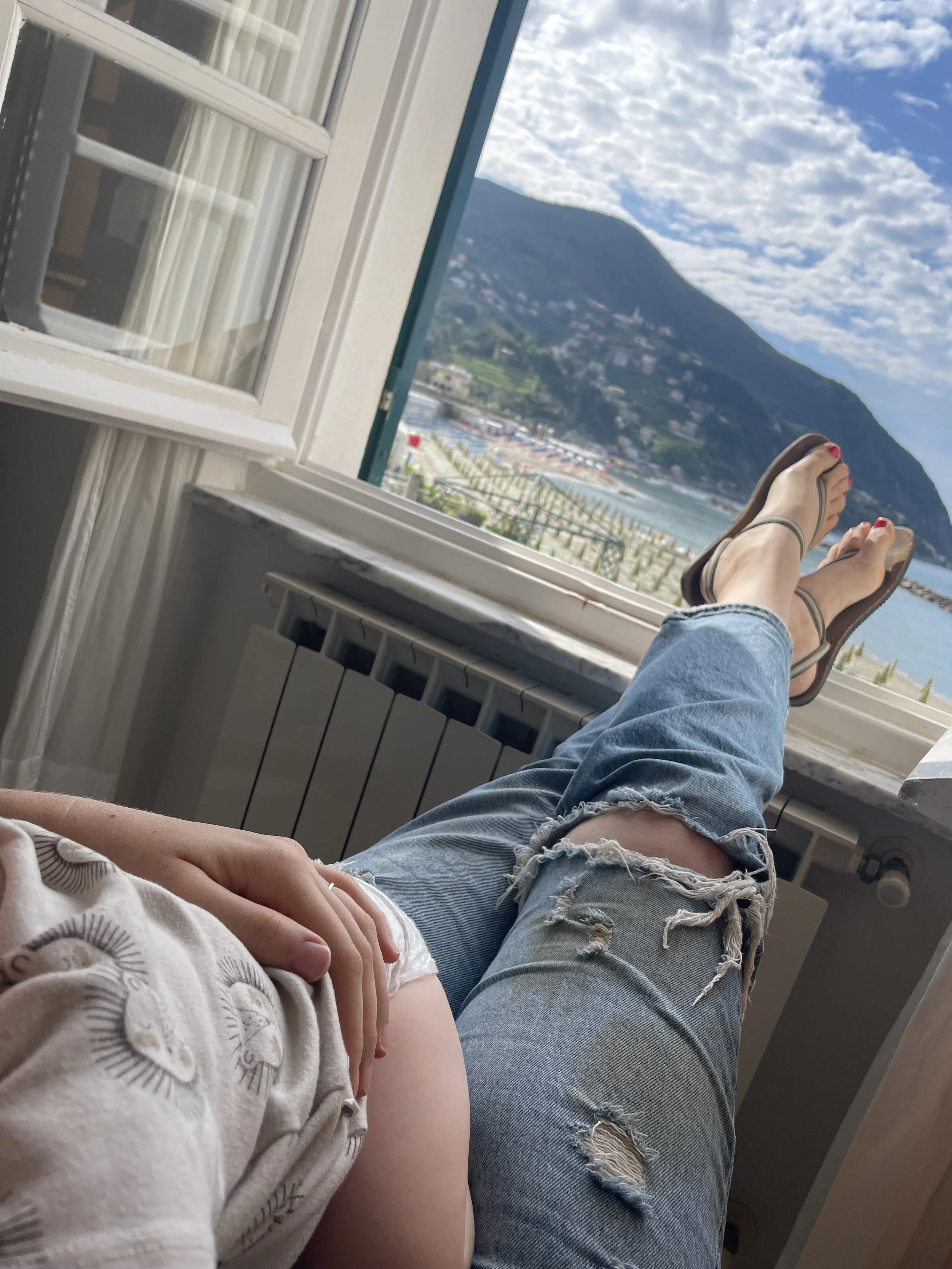
What’s all the hype about barefoot shoes over the last few years? And what are the things that are rarely mentioned online that are important to know?
Here is everything I wish I knew when starting my own barefoot shoe journey!
It was a little over 3 years ago that I tried out my first barefoot-style shoe. Since then, I have converted 90% of my shoes to a more minimalist style.
But that’s not to say it has been a seamless transition.
From differing opinions online, to my own curiosity of what experts in foot health are saying, to a bit of confusion about what barefoot shoes even are?! This post shares everything I wish I knew before starting the journey, so that you don’t make the same mistakes I did!
What Are Barefoot Shoes?
Barefoot shoes (also called minimalist shoes or barefoot footwear) are designed to mimic the natural movement of the foot—while still offering some protection from the ground.
Unlike traditional shoes or conventional footwear, barefoot shoes are built with:
A wide toe box that allows your toes to spread naturally— rather than being squished into a pointed toe.
A zero drop sole (meaning no height difference between heel and toe). But why is this a draw? When you elevate your heel, you are shifting your center of gravity, and your posture follows. Zero-drop shoes allow your ankles, knees, and hips to be in more natural alignment. This can also translate to stronger arches and a more natural gait. ( source )
A flexible sole that moves with your foot. Barefoot footwear supports the natural movement of the foot, instead of restricting it as many modern shoes do.
Thin soles - these thinner soles provide ground feel (just a fancy way of saying you can actually feel the ground) and sensory feedback
The goal? To support natural foot function and foot strength instead of restricting it.
Why Are Barefoot Shoes Gaining Popularity?
There’s been a noticeable shift in recent years toward more natural, functional approaches to health—and footwear is no exception.
Many people are starting to question whether modern shoes (think: stiff soles, high heels, excessive cushioning) are actually contributing to common issues like:
Plantar fasciitis
Weak arches
Flat feet
Poor posture
Reduced balance and stability
Barefoot shoes aim to reverse some of these patterns by restoring the natural movement of the foot.
The problem with that narrative, commonly from online influencers and barefoot shoe companies, is that it is often lacking important warnings of the populations that may actually increase their risk of harm by choosing barefoot shoe options.
Why I Tried Barefoot Shoes..and my personal experience with them
I grew up only wearing conventional shoes-- yet always preferring to be barefoot as much as possible. Then, when I started my career in healthcare (i.e., working 12+ hours and spending most of it on my feet), I bought the popular, traditional footwear that used to be marketed to nurses and healthcare providers.
They were super stiff, with thick soles, and were marketed to "support" your feet. But after a year or so, I realized I was having more lower back pain and foot pain than ever before (mind you, I was in my early 20s).
It was about that time that I also became interested in functional movement and workouts, rather than static workouts and weight lifting. I saw really agile, athletic people focusing on movement and prioritizing barefoot workouts. I saw how their feet and ankles were extremely mobile and sturdy, independent of any footwear.
So, I started experimenting. I started spending more time barefoot while I was outside. I started opting for shoes that were a little more flexible. I stopped wearing hard-soled slippers at home. And over the next few months, I noticed some unexpected benefits...
Those long shifts on my feet were not causing sore feet. I had better balance and coordination during workouts. I could walk around barefoot all day without any foot pain. I felt my feet strengthen.
Learning From My Children
Another thing that happened during this time was that I became a mom. My daughter started walking at 9 months, and I remember the first time we put shoes on her. She all of a sudden was very clumsy and unbalanced and lacked the coordination we normally saw. We quickly took them off, and from then on, she wore shoes as minimally as possible.
And when she did, we prioritized shoes that were wide and flexible and left her feet as unrestricted as possible. I saw the benefits in my daughter that were also being mirrored in my own life, and I feel like that is when I was TRULY a believer.
But Are Barefoot Shoes Better for Foot Health? What the Experts Say
So, what do the actual experts say?? I can share my own personal experience all day long, but there are important things to consider based on your own bioindividuality. I also see value in knowing what specialists within this field have to say. I did some research and found some things written by podiatrists, and gave you a brief summary below (plus the links if you want to read them yourself)
In this article, physiotherapist Janik Sundstrom talks about the nuances of barefoot shoes and how they are not right for everyone (specifically those with severe foot concerns). He also shares a systematic approach to transitioning to barefoot shoes in a way that supports your physiology (which I talk about a bit more in depth below)!
In this article, written by podiatrist Keenan Carriero DPM and podiatrist Zachary Kramer DPM, they share a really informative graph. The main takeaways- If you have joint concerns, barefoot shoes may cause increased impact on your joints initially (if you are used to padding and step forcefully). Also, for diabetics or people with peripheral neuropathy, there can be additional concerns since your feet do not have as much protection with barefoot shoes, and you may be prone to injury.
In summary, barefoot shoes may help with:
Building foot strength
Improving mobility
Reducing reliance on arch support
BUT it is also important that you implement them mindfully to prevent injury.
Transitioning too quickly can increase the risk of injury
Some people may experience soreness or even stress fractures if they overdo it
This is especially true if you’ve been wearing conventional footwear your whole life.
And some people should show extra caution if trying barefoot shoes. They include:
people with diabetes or peripheral neuropathy, as barefoot shoes do not offer as much protection as modern shoes and you may be increasing your risk for injury
severe high-arches or flat feet
structural deformities of your feet
As always, nothing on this blog is medical advice, and you should speak with your own healthcare provider to determine what is best for you :)
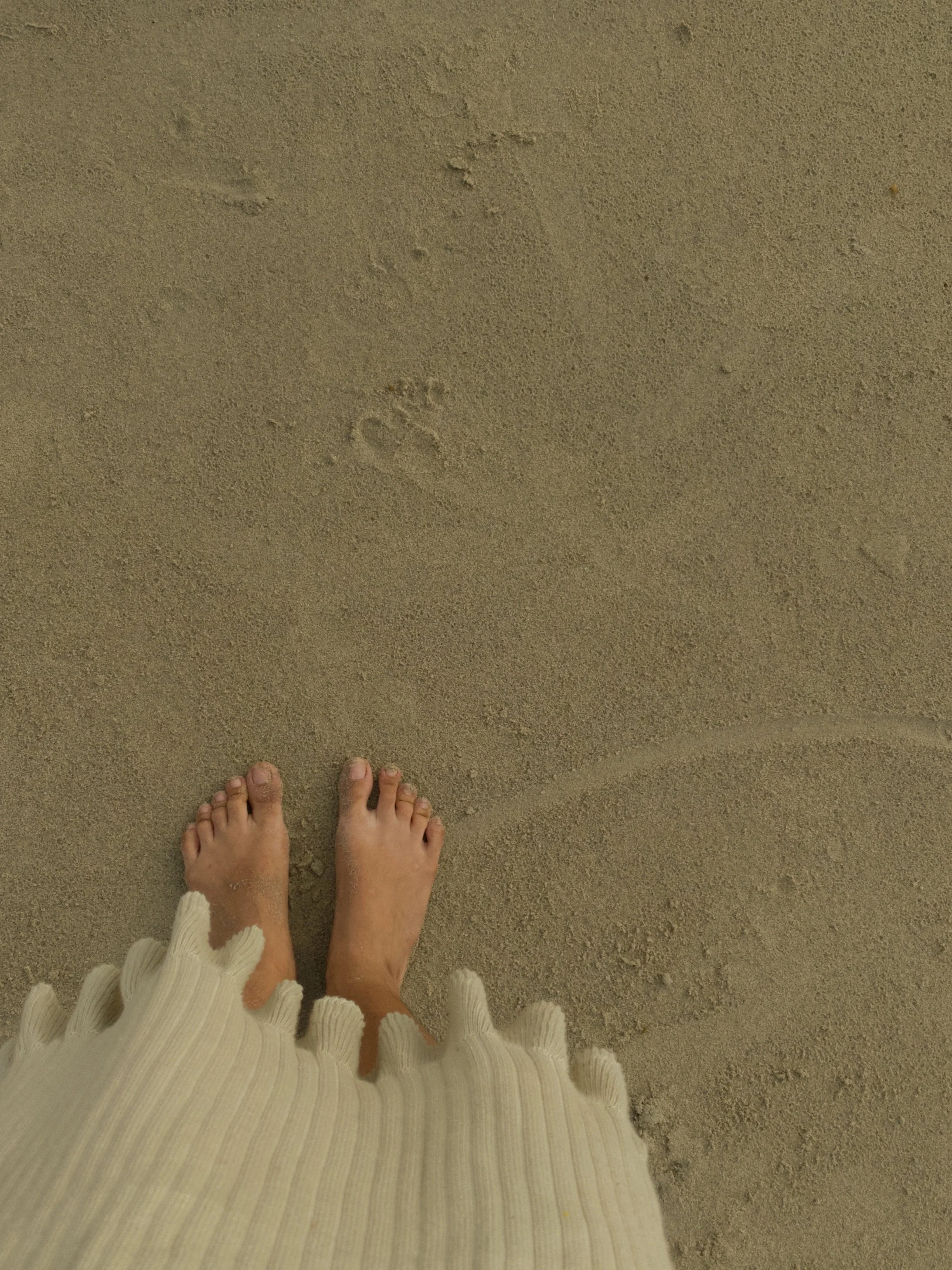
How to Transition to Barefoot Shoes (Without Regret)
If you’re curious about trying barefoot shoes, here is a little step-by-step guide to making it a little bit easier! Because the transition can come with a bit of a learning curve and adjustment..
1. Start Slow
When I first started wearing barefoot shoes, I was so excited! I get the draw of just jumping right in, especially when you hear about the potential benefits! But this could actually do more harm than good. Slow and steady is the key!
Begin with short walks
Wear them for 30–60 minutes at a time
2. Alternate With Regular Shoes
You don’t need to ditch all your regular shoes overnight. It takes time for your feet to build strength to tolerate being barefoot (or in barefoot shoes) for longer periods.
3. Strengthen Your Feet
Incorporate simple foot exercises to support your foot muscles, ankles, and calves. This doesn't have to be anything crazy, even a few daily calf raises can help to strengthen these muscles. You can also do a quick online search to find some more strengthening exercises!
4. Be Mindful of Surfaces
Start on soft surfaces (grass, dirt trails)
Ease into walking on harder ground like pavement
FAQ: Quick Answers About Barefoot Shoes
Do barefoot shoes have arch support?
No—most are intentionally designed without arch support to encourage natural foot strength.
Can I wear barefoot shoes every day?
Eventually, yes—but it’s best to transition gradually.
Are barefoot shoes good for walking on hard surfaces?
They can be, but your feet need time to adapt to the reduced cushioning. Again, start slowly and your feet will progressively strengthen and rely on less support and cushion.
Do barefoot shoes prevent injury?
Not necessarily. They may reduce certain risks but can increase others if you transition too quickly. But overtime, they can support your feet in naturally strengthening!
What About Conditions Like Plantar Fasciitis or Flat Feet?
If you have plantar fasciitis or flat feet, barefoot shoes might be helpful—but they need to be introduced slowly. Strengthening the foot can support long-term healing, but jumping straight into minimalist footwear without a transition period can make symptoms worse.
Curious about my favorite barefoot shoe options? Stay tuned! I have a couple of posts scheduled in the upcoming months to help support your barefoot shoe journey!
Kaelyn








Stop waiting for January to start working towards your health goals.