
Beef Suet vs. Tallow: What’s the Difference (and Which Should You Use)?

Tallow is one of those traditional foods that has made a comeback over the last several years. But often, you’ll hear the term “suet” thrown in there as well.
What is the difference? Which is better? And which should you be looking for? This post shares all the tallow 101 🤠
If you’ve spent any time in the “back to basics” corner of wellness or cooking, you’ve probably seen both beef suet and tallow come up—especially in conversations around ancestral eating, non-toxic cooking fats, and even skincare-- all of which I love talking about around here.
At first glance, they seem interchangeable. They both come from cows, they’re both traditional fats, and they’re both having a bit of a moment again.
But they’re not quite the same thing.
Let’s break down what each one is, how they’re used, and which one actually makes the most sense for your kitchen (or your skincare routine). Plus, a bit of a word of warning on its use in and out of the kitchen...
What Is Beef Suet?
Pure beef suet is the raw fat that surrounds a cow’s kidneys and loins. It’s very different from the soft fat trimmings on a steak. Suet is:
Firm and crumbly when cold
Higher in saturated fat
Very stable when heated aka has a high melting point
Considered one of the most traditional animal fats used historically
Because it’s unrendered, suet still contains bits of connective tissue and impurities. It’s not typically used for cooking (unless you’re making very traditional dishes). In most modern kitchens, suet is more of a starting point than a finished product.
A few years ago, I rendered all the suet that came with the beef we purchased from a local farmer. This is all the raw, crumbly fat in a crock pot before I rendered it!
What Is Tallow?
Tallow is what you get when you render raw suet (or other beef fat). Rendering is simply the process of slowly heating the fat to separate the pure liquid fat (what you keep), and the water and impurities (what you get rid of).
Once rendered and cooled, tallow becomes:
Smooth and solid at room temperature
Shelf-stable when stored properly
Mild in scent and flavor (if well-rendered)
Why Tallow Is So Popular Again
Tallow checks a lot of boxes for people trying to simplify and clean up their lifestyle:
very high smoke point (~400°F), making it great for cooking
Minimal processing compared to industrial seed oils
Rich in fat soluble vitamins (A, D, E, K)
good source of stearic acid, linoleic acid
Naturally stable, meaning it doesn’t oxidize as easily
It’s one of those ingredients that feels both practical and foundational. And those benefits are why we have seen a huge resurgence in its use in both culinary uses and supporting healthy skin and beauty products.
In short:
Suet is the raw ingredient.
Tallow is the finished product.
Is One Healthier Than the Other?
Nutritionally, they’re very similar—because tallow comes from suet. The main difference is really about how usable and clean the final product is.
Rendering removes:
Impurities
Water content
Any residual tissue
This makes tallow more stable and practical for everyday use. Plus, if you're like me, it may take a minute to wrap your mind around using beef fat-- especially as a moisturizer. But I found comfort in knowing that rendered tallow is the purest form you can get 👏
Uses for Tallow
Now that I've covered what tallow is... how do you actually go about using it and taking advantage of the health benefits?! Tallow can be found in everything from cooking products to skincare products and even tallow candles.
Cooking With Tallow
One of our favorite ways is using tallow for cooking. We also love finding restaurants locally that use grass-fed tallow in their kitchen, rather than seed oils!
Some of my favorite ways to use it in the kitchen include:
Roasting vegetables
Pan-frying eggs or meat
Making crispy potatoes or fries
Sautéing just about anything
It has a mild, slightly savory flavor that works well in just about anything. Because it is solid at room temperature, it's most similar to cooking with butter. If you’ve ever had really good fries at a restaurant and couldn’t quite figure out why—they were likely cooked in beef tallow!
Using Tallow for Skincare ( and a warning)
When I first heard about this a few years ago, I thought people were truly delusional...but still curious enough to give it a shot. Now, I have a pretty balanced approach to health and wellness trends, and I'm honestly a bit of a skeptic with most things. But I do prioritize natural ingredients whenever possible, so I was eager to give it a try!
That said, I don't think people should just go randomly spreading beef fat on their faces 🙃 for people that are prone to acne (like myself 🙋🏻♀️), they can actually experience worse acne due to the comedogenic nature of tallow (meaning it is prone to clogging pores).
So personally, I only use a tiny bit on my face if I'm feeling dry, but mainly stick to tallow lip balms or body butters. This is just an example of how bioindividuality plays a role in wellness!
The cons of tallow for skincare:
risk of clogging pores in human skin, especially in those with acne-prone skin [ 1 ]
lack of regulation and testing -- there are so many tallow companies, and not all are created equally. Make sure you are purchasing from reputable tallow skincare companies that use high-quality beef tallow (i’ll share some of my favorite high-quality tallow products later on in this post!)
tallow skincare smells.. well, a little bit like a cheeseburger in my opinion 😅.. unless mixed with essential oils. Some people don't notice any unpleasant odors with pure suet tallow, but I have always been very sensitive to smells 🤷🏻♀️
The pros of using tallow for skincare
Skin-nourishing benefits of traditional tallow include:
Rich in fat-soluble vitamins to support skin health
Contains fatty acids that support the skin barrier
Deeply moisturizing
If you’re already prioritizing what goes in your body, this is often a natural next step for what goes on it.
My Favorite Brand for Natural Tallow Skincare Products
For years, I have loved using Primally Pure's natural skincare products-- including many of their tallow products! They have the highest quality tallow products I have ever tried and continue being a popular choice for a reason. Here are some of my tried-and-true faves:
Vanilla and Citrus Deodorant- the BEST BEST BEST natural deodorant I have ever tried. It even holds up to postpartum BO (IYKYK 😜). The tallow helps to soothe and nourish sensitive armpit skin, and the essential oils leave you with the best fresh scent. If citrus isn't your thing, they also have several other scents that are great, but this is my personal fave.
body butter-
Tallow-based mineral sunscreen- we spend a lot of time on the boat in the summer, and one thing I hate is that tight, dry feeling on your skin after applying sunscreen. Last summer, they launched their tallow sunscreen line and we literally used it every. single. day 👏 (you can read more about their safe sun care products in THIS POST)
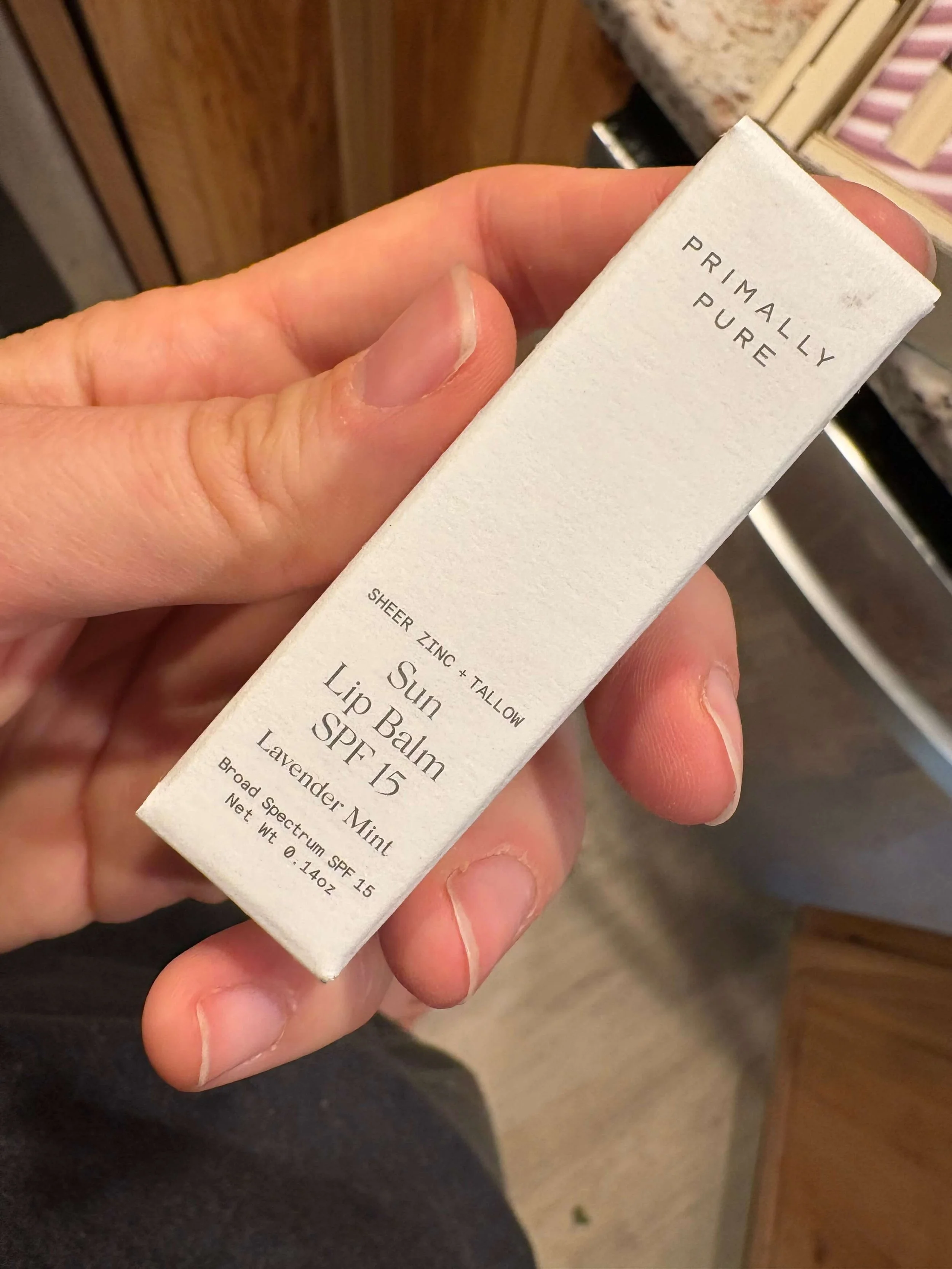
This tallow lip balm provides moisture and spf 👏 one of my favorite summer staples
How to Render Your Own Beef Suet (Step-by-Step)
If you like the idea of keeping things as simple and hands-on as possible, rendering your own tallow from suet is actually a pretty straightforward process. It takes a little time, but very little effort—and the end result is a clean, versatile fat you can use for both cooking and skincare.
What You’ll Need
Raw beef suet (ideally sourced from grass-fed animals and sourced from a local butcher or farmer)
A sharp knife or food processor
A heavy-bottomed pot or slow cooker
A fine mesh strainer or cheesecloth
Glass jars for storage
Step 1: Prep the Suet
Start by trimming away any visible meat or blood spots from the suet. The cleaner your starting fat, the better your final tallow will be.
Next, cut the suet into very small pieces—or pulse it in a food processor until it resembles coarse crumbs.
This step matters more than people think. Smaller pieces render more evenly and help prevent burning.
Step 2: Heat It Low and Slow
Place the suet into a pot or slow cooker and turn the heat to low. There’s no need to add water or oil, just let the fat slowly melt down over time.
As it heats:
The fat will liquify
Small crispy bits (called “cracklings”) will separate
Impurities will sink or float
This process usually takes 2–4 hours, depending on the amount you’re rendering. The goal here isn’t speed. Keeping the heat low helps preserve nutrients and prevents that overly “beefy” smell.
Step 3: Strain the Liquid Fat
After the rendering process, carefully strain the liquid through a cheesecloth or fine mesh strainer into a heat-safe bowl or jar. This will separate the rendered suet (pure fat) and any of the crispy parts. This removes any solid bits or leftover impurities.
For an extra clean tallow (especially if you’re using it for skincare), you can repeat steps 2 and 3 another time. I've had batches that require a couple of rounds, while others are good with just one.
Step 4: Let It Cool
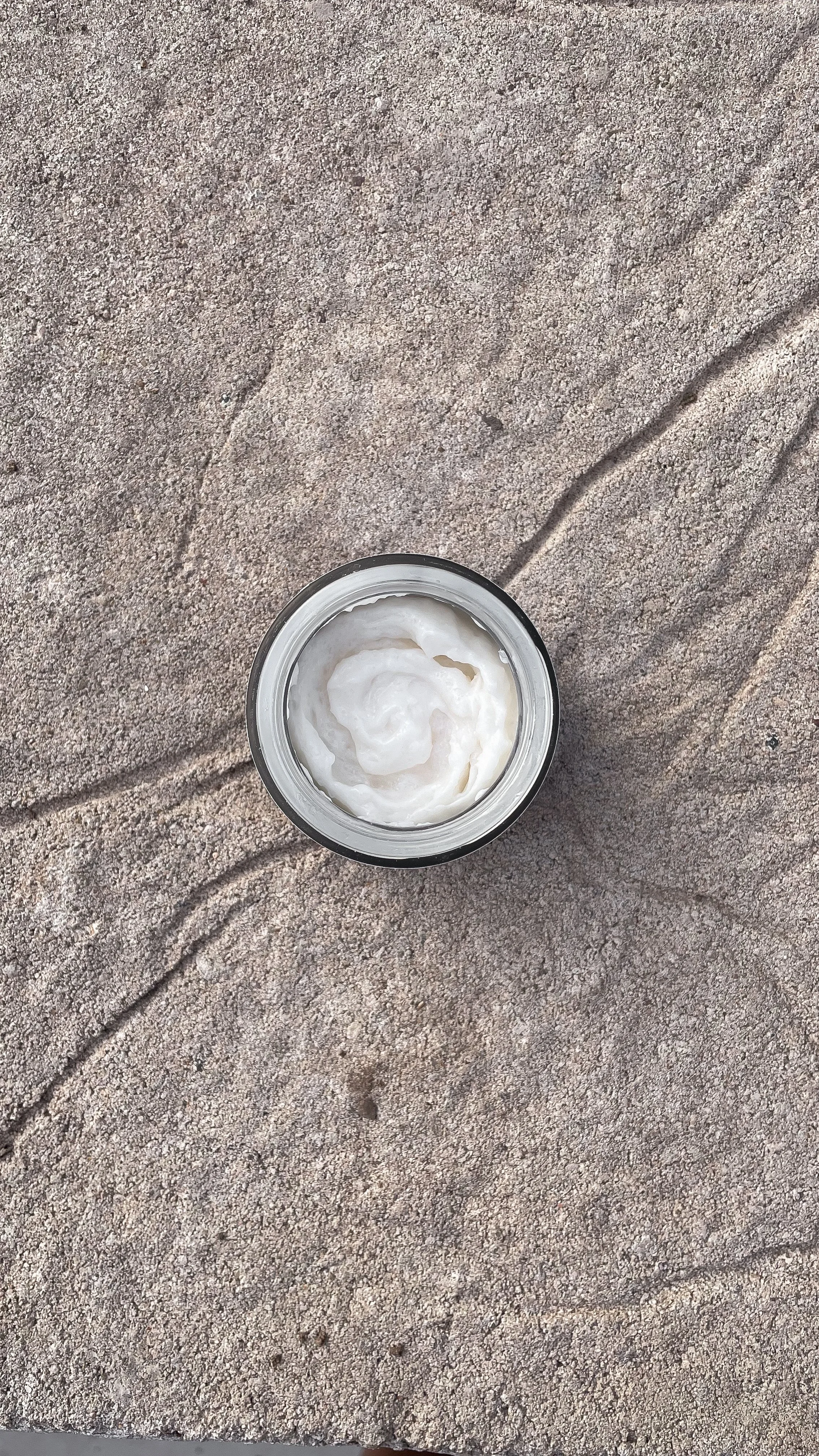
As the liquid fat cools, it will turn into a smooth, creamy hard fat. A well-rendered tallow should be:
Light in color (off-white to pale yellow)
Mild in scent
Firm but spreadable at room temperature
If it has a strong odor, it was likely rendered at too high a temperature. Low and slow makes a real difference!
Step 5: Store Properly
Transfer your cooled tallow into glass jars with a lid.
You can store it:
At room temperature (for short-term use)
In the fridge (lasts several months)
In the freezer (for long-term storage)
You can also whip the rendered tallow (the best time to do this is when it is solidifying, but still soft), and use a piping bag to put it into jars.
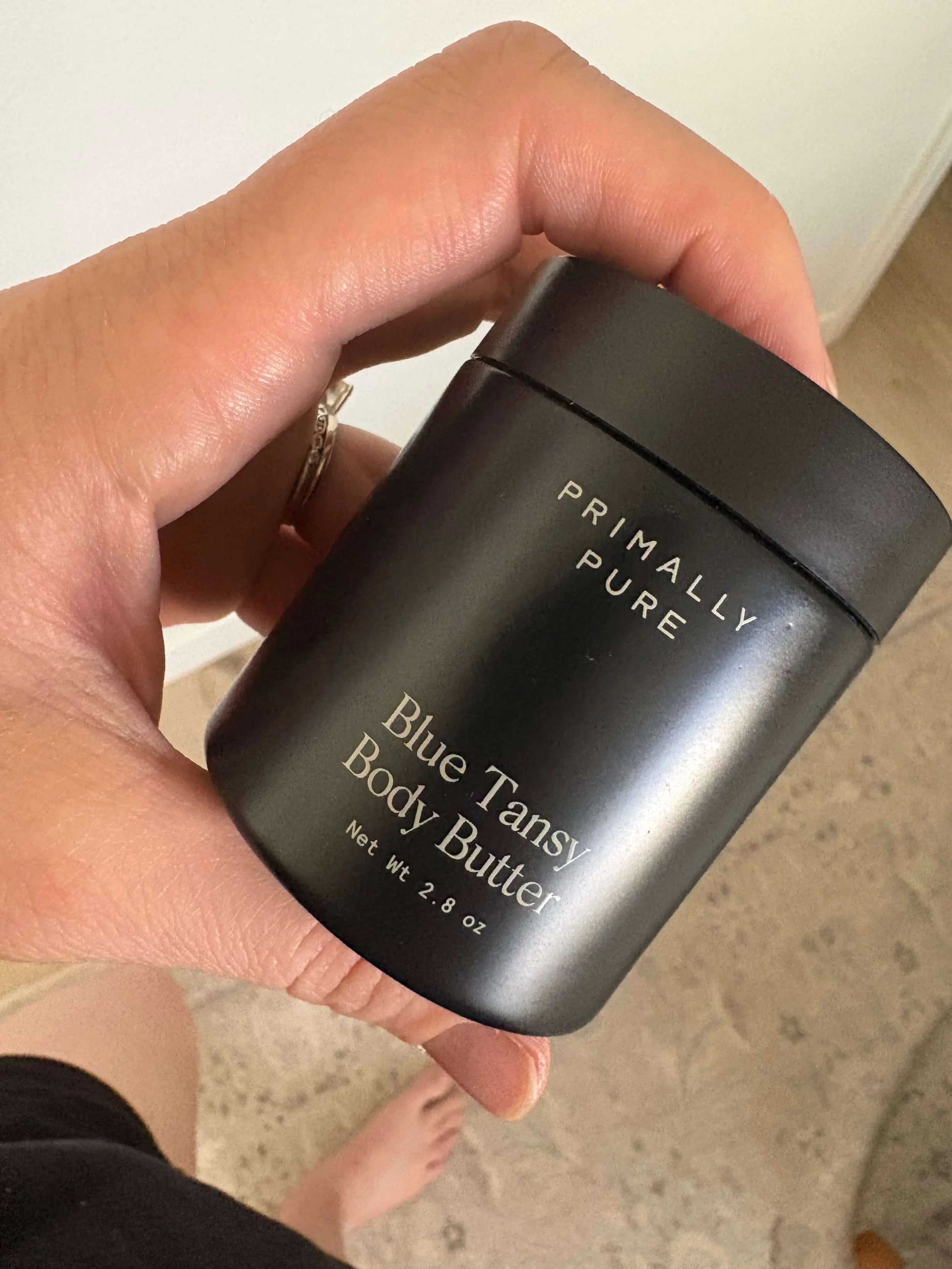
Primally Pure Blue Tansy Body Butter \\ SHOP HERE + save 10% with code KAELYN10
The Final Verdict
While beef suet and tallow may be used as interchangeable terms, there really is a difference. While suet is the raw product, tallow is the refined version that is easier to use in cooking and skin care products.
While you can render your own tallow, there are also many brands providing products with tallow. But unfortunately, with a lack of regulation, you’re not always sure what’s inside! I’ve used Primally Pure for years and feel confident recommending their products if you are interested in trying out tallow products yourself.
You can always use code KAELYN10 for 10% off your order ✨
latest on the blog






My ideal fall morning for holistic wellness