
All through my adolescence I struggled with keratosis pilaris— those irritating red bumps on my arms and legs. And I tried everything to get rid of them.
Over the years, I have found the natural and holistically supportive solutions that work best for my skin— and maybe will work for yours too!
I first dealt with keratosis pilaris in high school. And the following decade was full of trial-and-error to find something that smoothed my arms and removed the annoying bumps. And after trying just about everything, I finally found what worked for me.
I am always looking for natural remedies for common conditions, and my approach to these tiny bumps on my upper arms was the same! It took a long time, but I finally found the best natural products and essential oils to help holistically support my skin.
This post shares all my favorite KP tips, tricks, and a couple of special products that have been a game-changer for bumpy skin. 👏
What is Keratosis Pilaris?
First things first, what even is keratosis pilaris??
Keratosis pilaris—often shortened to KP—is a very common and completely harmless skin condition that causes small, rough bumps on the skin. People often describe it as feeling like “chicken skin” or sandpaper. These bumps most commonly show up on the backs of the arms, thighs or cheeks.
The root cause of keratosis pilaris is a buildup of keratin, a protein that helps protect the skin. In people with KP, keratin can accumulate around hair follicles and form tiny plugs. Instead of the skin shedding normally, those plugs block the follicle and create the rough, raised bumps that KP is known for.
Keratosis pilaris isn’t contagious, dangerous, or a sign of poor hygiene (all common myths)-- it’s simply a skin tendency that some people have. Genetics play a big role, and KP is often seen in people who also have dry skin, eczema, or a family history of similar skin conditions (for me, I have a history of all the above)
The bumps themselves are usually skin-colored, red, or slightly inflamed. They’re typically not painful, though some people experience mild itching or irritation, especially during the winter months when skin tends to be drier.
While keratosis pilaris often appears in childhood or adolescence, many people continue to experience it into adulthood. For some, it improves with age, but for others, it can persist long-term.
The good news is that while KP can be stubborn, it’s also very manageable! Approaches that support gentle exfoliation, skin hydration, and reducing inflammation can often help smooth the appearance of the skin over time, which is where natural options like certain essential oils, hydrating moisturizers, and gentle exfoliants may play a supportive role.
What has NOT helped my KP?
As I mentioned before, I have really tried just about everything marketed for KP. The lotions, the creams, the acids... and with my sensitive skin, I feel like I was left with more skin irritation more often than not. Here are some of the things I have tried, with minimal or no improvement in the bumpy texture on the backs of the arms.
Lactic acid- one of the most common recommendations for this common skin condition is to use a product with lactic acid. While I DO think it improved the small bumps when used regularly over an extended period of time, I HATED the smell. Since I am already pretty avoidant of anything fragranced, I'm a bit sensitive to odors. So when I used the popular lactic acid lotions, the lingering chemically smell always bothered me.
Glycolic acid, salicylic acid, alpha hydroxy acids.. I feel like I have tried so many acid products and they only cause skin irritation. Maybe I need to use a lower concentration? I'm not sure. But anytime I have used them, they only make my arms itchy and more irritated! Which always leads me back to gentler products and natural formulas
First Aid Bump Eraser-- again, I could not get past the harsh (in my opinion) scent of this product.
What has actually improved my keratosis pilaris?
So, what then has made a difference? Well, a holistic skincare routine of course! Not only does a skincare routine help support symptoms naturally, but it is one of my favorite self-care rituals. For the last couple of years, I have had a somewhat-daily routine that consists of the following:
dry brushing: truly one of the game-changers for my KP and overall detoxification. If you are unfamiliar, dry brushing is a technique that uses a natural bristle brush and helps the body with gentle exfoliation and lymphatic drainage. I own this dry brush duo and love the feel on my skin!
Shower with warm water: after dry brushing, i do a quick rinse in the shower to remove any of the dead skin cells. If I am doing a good ol' "everything shower", I use all my favorite body care products. If it's just a little rinse off after dry brushing and working out, i'll use a mild soap and call it good. I have found that the warm water helps to soften my skin a bit and allows for the next step in my skincare routine to really work! **edited to add: on the days that I am doing a full-on shower, I will do a gentle scrub with one of the Primally Pure body scrubs. My all-time fave is their coffee scrub! You step out of the shower with the softest skin, and you smell like you just stepped out of a cafe.
Moisturizer: Because of my sensitive skin, I am very particular about the moisturizers I use! Here are some of my favorites:
tallow: rich in skin barrier-supportive essential fatty acids that not only help to moisturize the skin, but also retain hydration. Tallow has been wildly beneficial for my overall skin health. While I previously have made my own tallow butters, I am in a season of wanting convenience, so purchasing from reputable brands that use high-quality tallow is the next best thing. For years, I have been using Primally Pure and loving their products. You can always use code Kaelyn10 to save 10% off your orders!
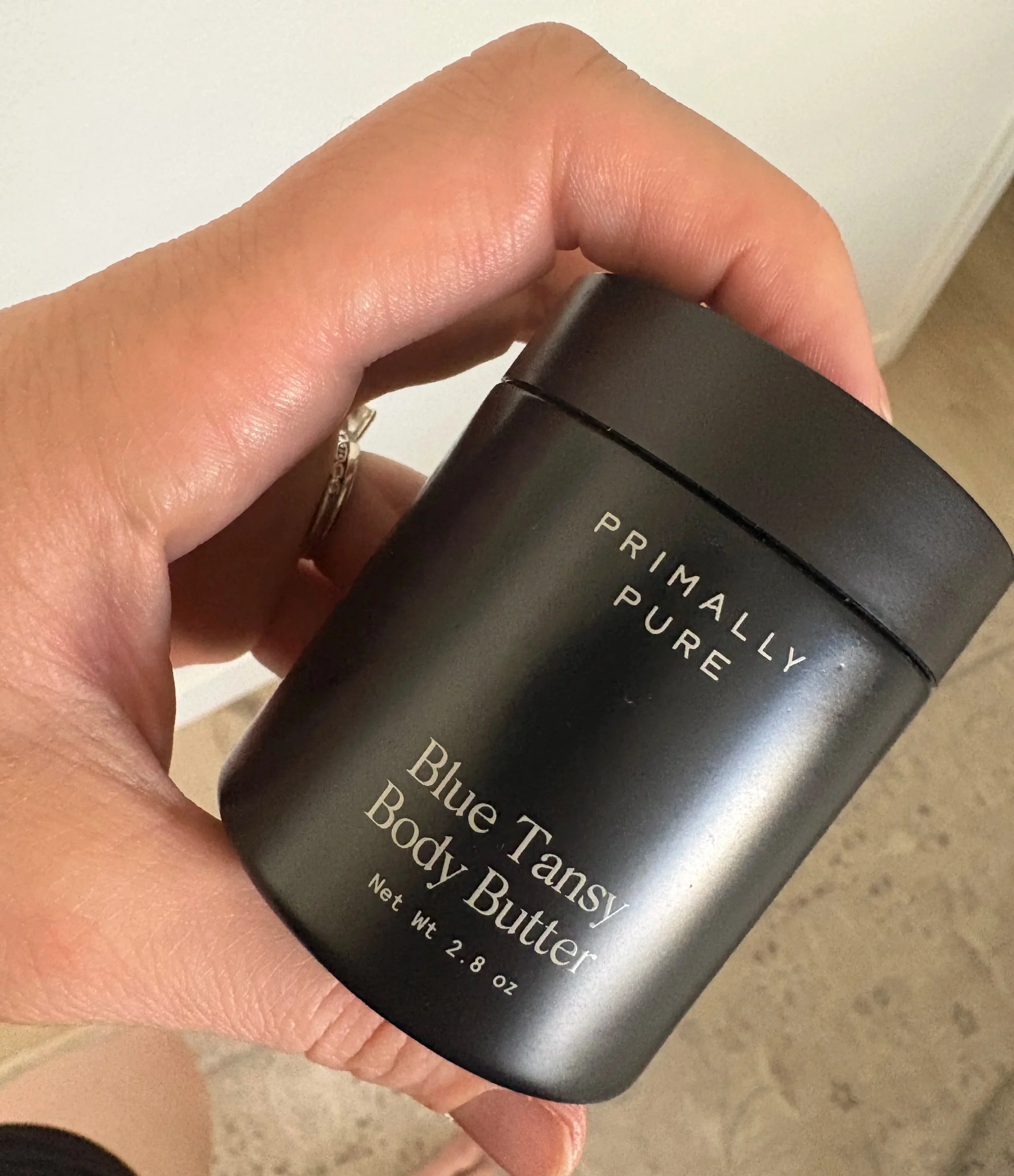
Blue Tansy Body Butter: made with grass-fed tallow, shea butter, and beeswax it is extremely nourishing and moisturizing. Then add in the organic lavender, sandalwood, and blue tansy essential oils, this body butter is also anti-inflammatory (which helps to calm down those irritated bumps)!
Eucalyptus and Lavender Body Butter: similar to the blue tansy one, this one is full of nourishing and moisturizing ingredients. This one is my favorite scent of all their body butter options and I swear, it’s like you walked right into a spa! The essential oil combo in this formula includes eucalyptus and lavender which are antimicrobial, anti-inflammatory and work synergistically to protect and repair the skin.
The body butter trio: if you are like me and struggle deciding between product varieties, your best bet is trying out the body butter trio. You get 3 jars of their popular scents at a discounted price (plus you can still use the code Kaelyn10 for an additional 10% off) 👏
body oil: What I love about these is that you get the anti-inflammatory properties of specific essential oils already blended as the appropriate ratios to the carrier oil (if you're new to essential oils, you do not want to use them undiluted. You dilute them through the use of a "carrier" oil, often jojoba oil, coconut oil, olive oil, etc. )
Blue Tansy Body Oil: This is the FULL ingredient list : Organic Fractionated Coconut Oil, Kukui Nut Oil, Organic Argan Oil, Organic Sweet Almond Oil, Organic Pomegranate Seed Oil, Essential Oils of Organic Geranium, Organic Blue Tansy and Organic Peppermint, Non-GMO Vitamin E — I love that this blend of essential oils helps to reduce redness and inflammation, which are both big symptoms of KP
Lemongrass Body Oil: Here’s the full ingredient list: Organic Fractionated Coconut Oil, Kukui Nut Oil, Organic Argan Oil, Organic Sweet Almond Oil, Organic Tamanu Oil, Organic Lemongrass Essential Oil, Non-GMO Vitamin E — this antibacterial oil is also full of antioxidants, helping to protect the skin
PRO TIP: I notice the best results when I get out of the shower, do a gentle pat dry, and then lather up with these natural oils
In addition to a skincare routine, I've taken a holistic approach as much as possible. This looks like staying hydrated (because dehydration can exacerbate symptoms of keratosis pilaris), eating an anti-inflammatory diet (since inflammation is correlated with flare-ups of KP), and supporting skin turnover with Vitamin A (we love codliver oil for this). You can read more about my holistic approach to KP in this post.
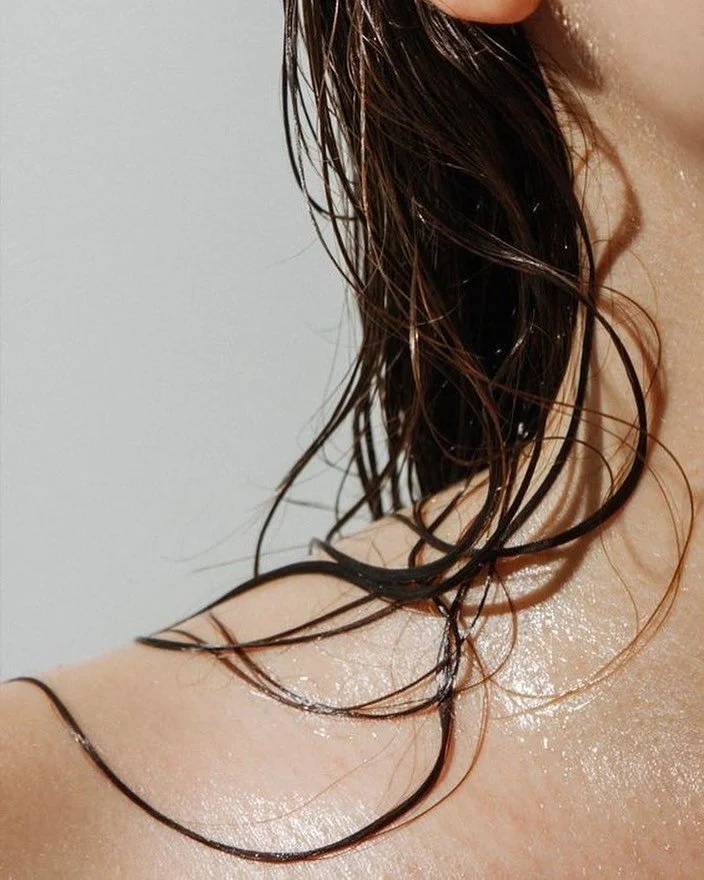
My winning combo for KP: a warm shower and a non-toxic body oil for moisturizing!
Related Reads:
FAQ's about Keratosis Pilaris
Where does keratosis pilaris usually appear?
KP most commonly shows up on:
The backs of the upper arms
Thighs
Buttocks
Cheeks (especially in children)
Some people may also notice it on their forearms or lower legs. Personally, I’ve always had it on my arms and the backs of my thighs.
Is keratosis pilaris permanent?
Keratosis pilaris isn’t necessarily permanent, but it can be long-lasting. Many people notice it improves with age, while others experience it on and off throughout adulthood. Consistent skincare can significantly improve its appearance over time.
Does keratosis pilaris go away on its own?
In some cases, yes—especially as you get older. However, for many people, it tends to persist without intentional care. Supporting the skin with hydration and gentle exfoliation can help manage it more effectively.
Can keratosis pilaris be cured?
There’s no true “cure” for keratosis pilaris, but it can absolutely be managed. The goal is to reduce buildup, smooth the skin, and support overall skin health rather than eliminate it completely.
What makes keratosis pilaris worse?
KP often flares up with:
Dry weather (especially in winter)
Hot showers that strip the skin of natural oils
Harsh soaps or irritating skincare products
Lack of exfoliation
Keeping the skin hydrated and avoiding overly aggressive products can make a noticeable difference.
Is keratosis pilaris related to diet?
There isn’t strong evidence that diet directly causes keratosis pilaris, but overall skin health can be influenced by nutrition. Some people find that supporting hydration, healthy fats, and nutrient-dense foods helps improve their skin over time.
Are essential oils safe for keratosis pilaris?
Certain essential oils may help support the skin by soothing irritation and promoting hydration, but they should always be properly diluted and used with care. (Again, why I love buying from reputable brands that take the guesswork out of it for you. Essential oils are best used as part of a broader skincare routine—not as a standalone solution.
Can I exfoliate too much??
YES. Not only can this ramp up the production of keratin (which leads to more irregular skin texture and scaly bumps), but it can also cause damage to the skin. When you overexfoliate, you can create small tears and injuries to the surface of your skin, which can lead to scarring or set you up for infection.
Have you dealt with keratosis pilaris? What are you favorite holistic ways to support it?
Kaelyn
latest on the blog




While there aren’t any products you NEED while growing out your natural gray hair, there are some that make the process a bit easier..