
Heart & Soil Colostrum Review: Hype or Actually Worth It?
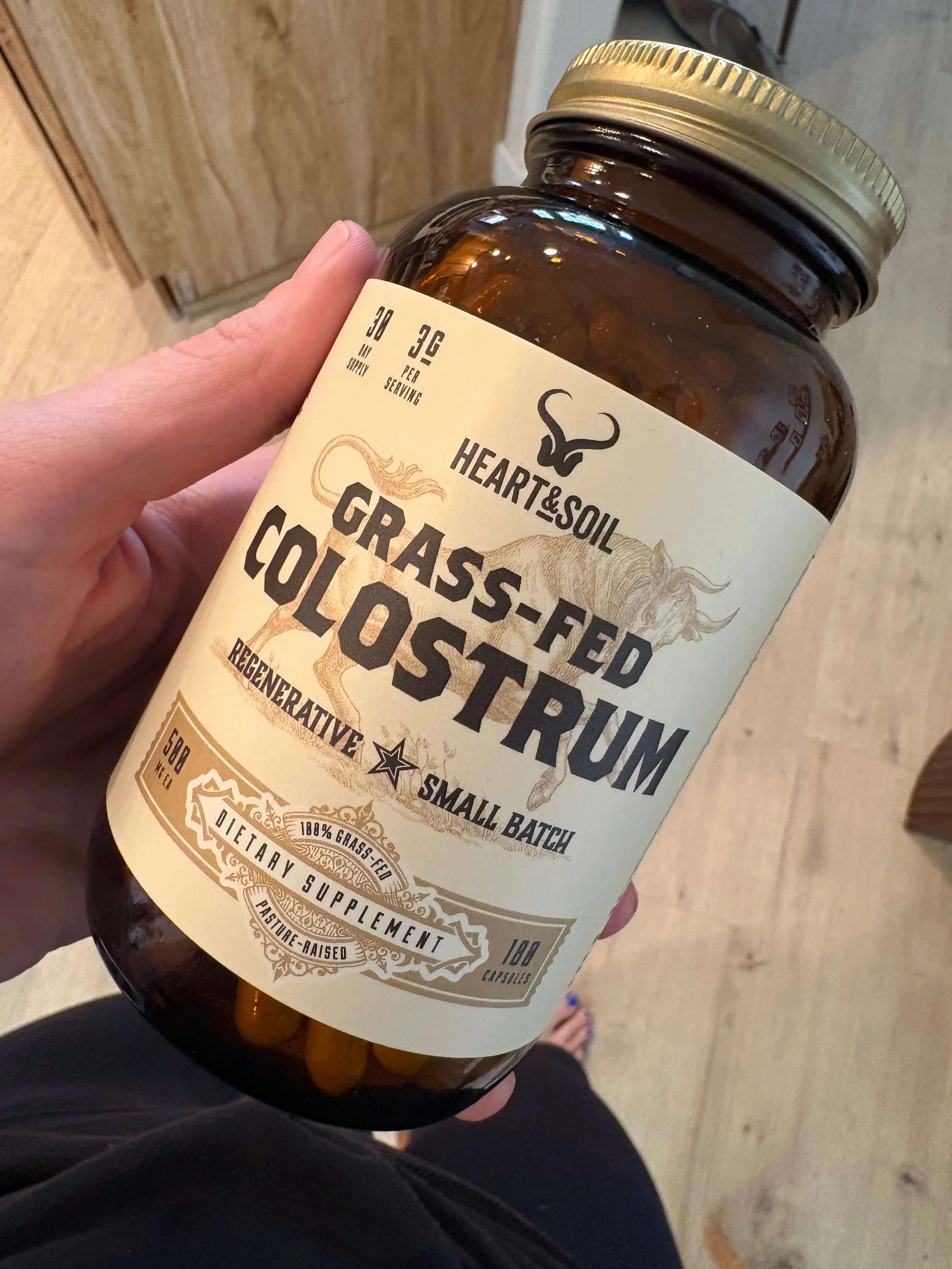
If you spend any time following wellness trends online, you’ve heard of colostrum. For the last couple of months, I have been taking one of the most popular brands in the market: Heart & Soil
This post shares all about my experience, what you need to know before taking colostrum, and my overall recommendation.
Over the last few years, colostrum has absolutely exploded in popularity across the wellness world. Scroll social media long enough and you’ll probably hear claims about better gut health, improved immunity, glowing skin, athletic performance, hormonal balance, and even dramatic improvement in digestion or energy levels.
As someone who works in healthcare and has spent years in the holistic wellness space, I tend to approach wellness trends with a healthy amount of skepticism. I’m not interested in products just because they are trendy—I care about whether they are high quality, whether they are grounded in real food nutrition, and whether they actually support overall health in a meaningful way.
Over the years, I’ve tried dozens of colostrum products, literally 😅 Some dissolved terribly. Some tasted overly sweet or artificial. Some felt more like expensive milk powder than a true whole food supplement. But overall, I have seen colostrum support my family's wellness.
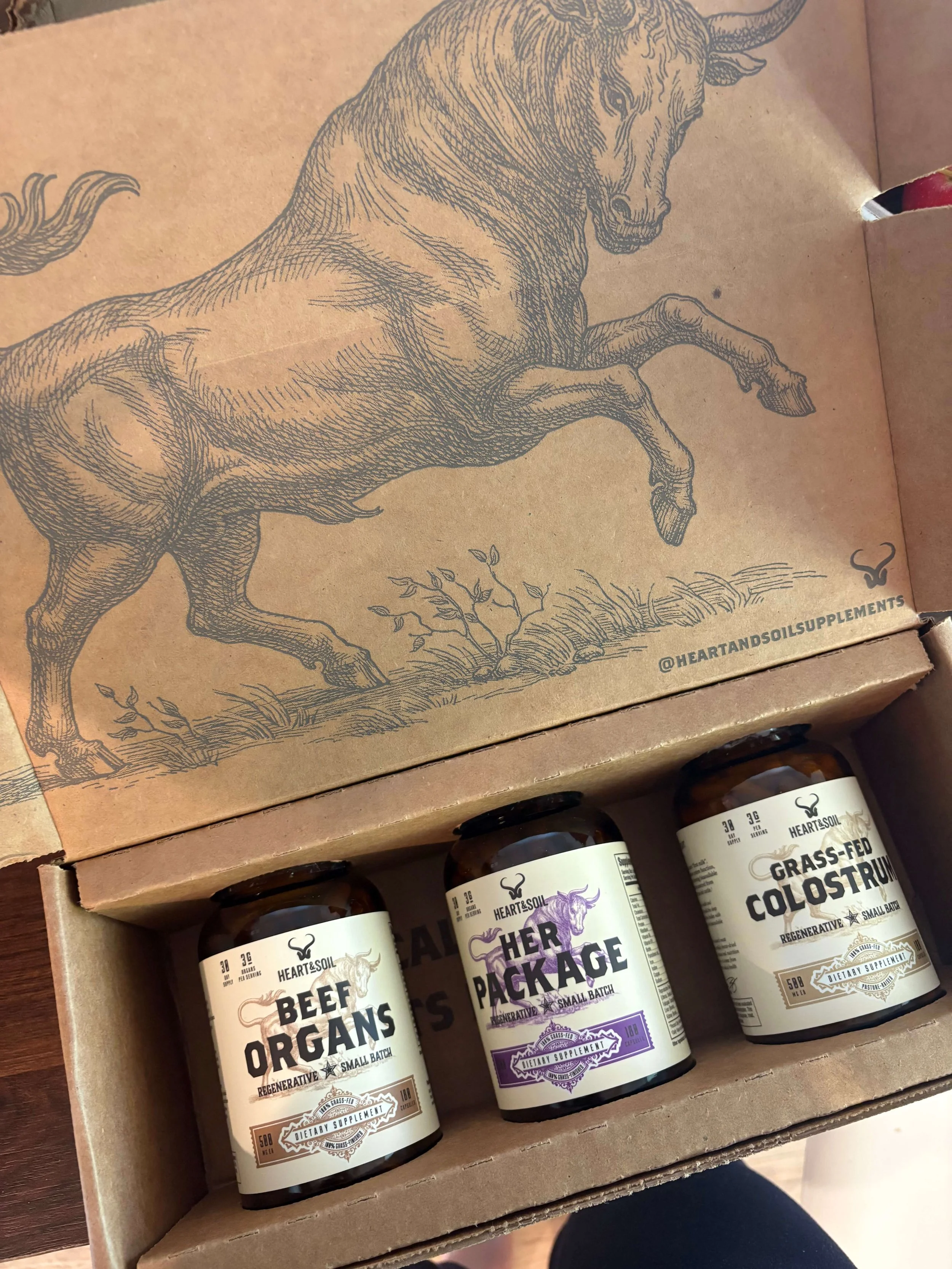
Over the last several months, I’ve had the opportunity to try nearly the entire line from Heart & Soil, including both of their grass-fed colostrum options. After using them consistently, I wanted to share an honest review of my experience, what sets them apart, what the science actually says about bovine colostrum, and whether I think these supplements are worth the hype.
Who Is Heart & Soil?
Heart & Soil is a wellness and supplement company founded by Dr. Paul Saladino. If you’ve listened to the Fundamental Health Podcast or followed the ancestral nutrition movement, you’ve probably heard of him before.
The company focuses heavily on animal-based nutrition and ancestral supplements made from some of the most nutrient-rich foods available—including beef liver, beef organs, bone marrow, and grass-fed colostrum. Personally, we take an 80/20 approach to prioritizing ancestral eating in my family, so this company immediately felt like a great fit.
Their overall philosophy centers around the idea that many people are deficient in vital nutrients because modern diets have moved further away from traditional whole foods and organ meats. Instead of relying solely on synthetic vitamins, they aim to create supplements sourced from real food and animal products. That includes products like beef organ supplements, grass-fed colostrum, and high-quality protein powders. Whether or not you personally follow an animal-based diet, I do appreciate the emphasis on nutrient density and whole food sourcing.
What Is Colostrum?
Colostrum is often referred to as “first milk.” It is the nutrient-rich fluid mammals produce in the first few days after giving birth, before mature milk comes in.
Bovine colostrum (cow colostrum) naturally contains:
Immunoglobulins
Growth factors
Amino acids
Lactoferrin
Antimicrobial compounds
Fat-soluble vitamins
Bioactive peptides
Research suggests bovine colostrum may support immune health, tissue repair, gut lining integrity, nutrient absorption, and exercise recovery.
One 2024 systematic review published in Sustainable Food Technology described bovine colostrum as a “promising nutraceutical” due to its concentration of bioactive compounds and potential role in digestive and immune support.
While there is promising research surrounding colostrum, especially regarding gut health, digestive issues, immune system support, and athletic performance, there are also a lot of exaggerated claims online. Colostrum is not a quick fix, and it should never replace foundational health habits. This article by the Mayo Clinic shares a balanced view on the scientific claims and online hype of colostrum as a supplement.
That said, I have seen first-hand improvements in my family’s skin, immunity, and digestion with the use of colostrum.
What Makes Heart & Soil Colostrum Different?
With so many soil supplements and wellness products flooding the market right now, it can honestly feel overwhelming trying to determine which products are actually high quality. That is why I do a lot of research on each supplement brand to verify their sourcing, product purity, and overall quality. Heart & Soil is one that has consistently proven its commitment to all 3.
For their colostrum, as well as the rest of their product line, Heart & Soil focuses on sourcing and processing.
According to the company, their grass-fed colostrum is:
Sourced from 100% grass-fed cattle
Non-defatted (meaning the fat-soluble components remain intact)
Low-temperature processed
Third-party tested for contaminants including heavy metals
Tested for biological activity and purity
This matters because some colostrum products are heavily processed or stripped down, which may reduce some of the naturally occurring compounds that make colostrum unique in the first place.
I also appreciate that they offer both a powdered version and a capsule version. Honestly, the capsules have become my personal favorite because they are such an easy way to incorporate colostrum into a daily routine. I love the convenience factor. No mixing. No weird texture.
As a busy mom juggling work, family life, homeschool schedules, and business responsibilities, this is one area of added convenience.
My Personal Experience With Colostrum
I’ve been taking colostrum on and off for several years now.
It’s not something I personally treat like a miracle supplement, but it is one of those products that I notice myself reaching for repeatedly during seasons where I want additional support.
Over time, I’ve personally noticed significant improvements in:
Digestion
Gut issues
Skin issues
Recovery during stressful seasons
Immune health support
I’ve also noticed that my kiddo’s eczema tends to improve when we consistently prioritize nutrient-dense foods and supportive supplements like colostrum.
Again, this is just my personal experience—not medical advice—and I always encourage people to work with a qualified healthcare provider for individual concerns.
For me, colostrum has become one of those “supportive tools” that fits into a broader wellness lifestyle focused on:
Sleep
Stress management
Whole foods
Movement
Sunlight
Protein intake
Nutrient density

When I Personally Prioritize Colostrum
There are certain seasons where I lean on colostrum more heavily.
During Illness
If someone in the house gets sick, colostrum is usually one of the first things I prioritize alongside hydration, rest, mineral-rich foods, and supportive nutrition.
The immunoglobulins and immune-supportive compounds in bovine colostrum are one of the main reasons many people take it for immune support.
During High Stress Seasons
Traveling, lack of sleep, busy work seasons, holidays, and mentally demanding periods all increase the body’s nutritional demands. When our body is outputting more physical or mental energy, it also requires more nutrients for energy production and recovery.
Those are often the times I’m more intentional about adding in supportive supplements.
This is also one of the times that a capsule form of colostrum is extra convenient! They are so easy to travel with, and you don’t have to worry about mixing them into a beverage on the go.
During Gut Flare-Ups
If I’m dealing with gut inflammation, digestive issues, or feeling run down after travel or stress, colostrum is something I’ll often prioritize consistently for a period of time.
Some preliminary research suggests bovine colostrum may help support intestinal permeability (“leaky gut”) and gut lining integrity, though more human studies are still needed.
What Does the Research Actually Say?
I think this is where nuance is really important. There is interesting research on bovine colostrum, particularly surrounding:
Gut health and nutrient absorption
Immune system support
Athletic performance and exercise recovery
Tissue repair
Other reviews have discussed its potential role in:
Supporting gut barrier function
Reducing certain digestive symptoms
Supporting recovery in athletes
Promoting immune health
However, it’s also important to acknowledge the limitations.
The wellness industry sometimes overstates the evidence around colostrum. Many of the current studies are still small, and not every claim floating around social media is strongly backed by clinical research. Make sure you are looking into the claims that are being made and remembering to use supplements as a supplemental part of a holistic health routine!
Do You Actually Need Colostrum?
Honestly, probably not. And I say that as someone who genuinely likes it. That said, I do think there are some scenarios where it may be very helpful!
I always remind people that supplements are exactly that: supplements. They should support a healthy lifestyle—not replace one.
If someone is:
Sleeping 5 hours a night
Chronically stressed
Living on ultra-processed foods
Not moving their body
Barely eating protein
Constantly under-eating
…then no supplement is going to magically create health.
I’ve worked with many people over the years as a health coach who were spending hundreds—or even thousands—of dollars on supplements while completely ignoring the fundamentals.
And then they’re frustrated when they don’t experience dramatic improvement.
The truth is:
The foundations matter most.
Nutrition matters. Sleep matters. Stress matters. Movement matters. Sunlight matters. Community matters.
Supplements can help fill nutritional gaps, but they should not become the foundation of wellness.
My Thoughts on Heart & Soil as a Brand
Overall, I’ve been impressed with the quality of Heart & Soil products.
Things I personally appreciate:
Focus on whole food sourcing and frass-fed animal products
Third-party testing
Emphasis on nutrient density
Convenient capsule options
Transparency around sourcing and processing
I also appreciate that they acknowledge the importance of real food.
Even as someone who uses supplements, I firmly believe that whole foods should always come first.
Potential Downsides
No review would be complete without discussing the cons.
Price
Heart & Soil products are definitely premium-priced.
If you’re on a tight budget, prioritizing nutrient-dense whole foods like eggs, meat, fruit, quality dairy, and basic lifestyle habits will likely provide more value than buying expensive supplements.
Wellness Hype
The wellness industry can sometimes over-market products like colostrum, raw milk, and ancestral supplements with claims that exceed the available evidence.
I always encourage people to approach wellness trends thoughtfully and critically.
Final Thoughts: Is Heart & Soil Colostrum Worth It?
Personally? I genuinely like it.
I appreciate the quality, the sourcing standards, the capsule convenience, and the company’s emphasis on nutrient density and animal-based nutrition.
Do I think it’s absolutely essential for everyone? No.
Do I think it can be a helpful supportive tool for some people looking to optimize gut health, immune health, recovery, and overall wellness? Potentially, yes.
For me, colostrum fits into the category of a supportive “wellness tool” alongside:
Prioritizing protein and whole food nourishment
Managing stress and getting plenty of quality sleep
Getting sunlight and spending time in nature
Moving consistently
And honestly, I think that balanced perspective matters far more than any single supplement ever will.
FAQ
Is Heart & Soil colostrum grass-fed?
Yes. Their grass-fed colostrum is sourced from pasture-raised, grass-fed cattle and undergoes third-party testing for purity and contaminants. (as are all of their other supplement options too!)
Does colostrum help with gut health?
Some research suggests bovine colostrum may support gut lining integrity, digestion, and immune function within the digestive tract, though more studies are still needed.
Who founded Heart & Soil?
Dr. Paul Saladino founded Heart & Soil as part of his focus on animal-based nutrition and ancestral supplements.
Are Heart & Soil supplements tested for heavy metals?
Yes, all Heart & Soil products undergo third-party testing for contaminants including heavy metals, pesticides, and microbes.
Can colostrum replace a healthy diet?
No. Supplements should support—not replace—a healthy foundation built on nutrition, movement, stress management, sleep, and whole foods.
As always, nothing on this blog is medical advice. Make sure to speak with your own, personal health care professional before starting a new supplement. If you have any questions about Heart & Soil, feel free to reach out to me at hello@wellnesswithkaelyn.com
Kaelyn





11 simple strategies to cutting back your screen time (and why it may be a good idea)